


A sustainable weight loss journey often seems daunting. Many people try quick fixes and crash diets. But these are often short-term solutions. The weight often comes back and negatively impacts health. Safe weight loss means not harming the body. Gradual weight loss is sustainable, and the body adjusts naturally. This approach is best for beginners. Crash diets or extreme exercise should be avoided. These provide short-term results but are difficult to maintain in the long term. The body does not have time to adapt. It’s important to adopt healthy lifestyle habits. Simple changes yield long-term results.
The weight loss journey is unique to each individual. Planning should be tailored to age, metabolism, and activity level. This article is intended as a guide for beginners. Tips and strategies for safe and sustainable weight loss are shared.
Table of Contents
Set realistic goals
Unrealistic goals kill motivation. Set small goals. Losing 0.5-1 kg per week is realistic. Gradual progress is safer for the body. Rapid weight loss can cause stress and fatigue. The body needs time to adjust. Achieving goals brings positive emotions. Motivation is maintained. It also improves mental health. Setting important milestones is helpful for long-term success. Keeping track improves results. It’s easy to celebrate successes and feel confident. It is very important to maintain patience. Weight loss should be gradual and sustainable. This prevents the body from weakening and maintains energy levels. Achieving small goals with consistency and focus is part of a sustainable lifestyle. Every small success is a boost of motivation.
Understand your body and calorie needs
Everyone’s metabolism is different. Understanding your calorie needs is the first step. This step is crucial for safe and effective weight loss. Calculate your daily calorie intake. Creating a small deficit is safe and effective. Cutting calories should not be sudden or extreme. Excessive restriction can sap energy, make the body feel weak, and slow down metabolism. This affects long-term results. It is beneficial to include protein and fiber in your diet. They create fullness and reduce snacking. Fruits, vegetables, and legumes provide fiber. Healthy fats and vitamins are essential. They provide the body with energy and nutrients. Nuts, seeds, and olive oil are examples. Supplements should be taken with the advice of a doctor. Calculate daily calorie needs.
- Eat foods rich in protein and fiber.
- Add healthy fats.
- Eat fruits and vegetables daily.
- Adopt changes gradually.
Maintain a Balanced Diet

A balanced diet is the foundation of weight loss. Include fruits, vegetables, whole grains, and lean proteins. A balanced diet provides the body with all kinds of nutrients. Fiber-rich foods keep you full. Avoid unnecessary snacking. Oats, lentils, and brown rice are good sources of fiber. Cut down on processed foods and sugary drinks. These provide empty calories. Avoiding junk food is better for both health and energy. Healthy fats like nuts and olive oil are essential for the body. Metabolism improves. It is better to use healthy oils in cooking. Small, frequent meals also help.
Stay physically active
Exercise is essential for safe and sustainable weight loss. Walking, jogging, and light exercise should be part of your daily routine. Physical activity burns calories and keeps the body active. A gym is not necessary for everyone. Simple activities also burn calories. Home exercises and stretching are effective and easy options. At least 30 minutes of activity per day is recommended. It keeps the body active and increases metabolism. Regular movement helps maintain weight. Physical activity is also important for heart and mental health. It reduces stress and improves mood. Walking outside provides fresh air and sunlight.
- Start with simple activities
Heavy exercises are unnecessary for beginners. Start with simple activities like walking, light jogging, stretching, and home workouts. A little daily activity gradually builds your body. Gradually increase the intensity or duration as you feel comfortable.
- Make activity a daily habit
Make physical activity a part of your routine. Walking or exercising for at least 30 minutes a day is helpful. Stretching or walking in short intervals also improves energy levels. Regular exercise increases metabolism and burns calories. It also helps maintain weight.
- Combine fun and fitness
Fitness doesn’t have to be boring. Outdoor cycling, dancing, swimming, or group games make the activity enjoyable. When exercise feels fun, it’s easier to stay consistent. Fun activities reduce stress and improve mental health.
Monitor progress and stay consistent
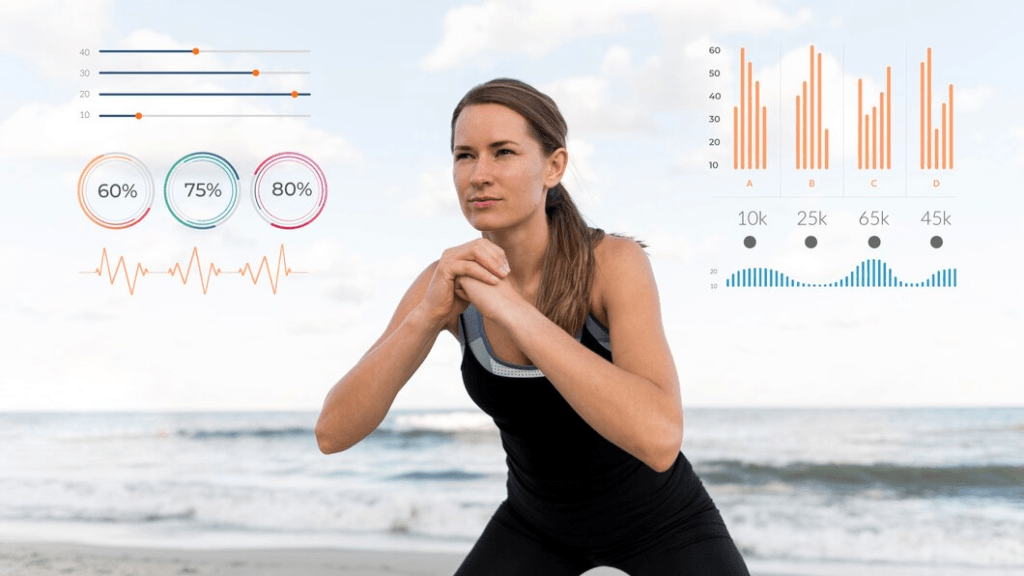
Tracking your progress is important for motivation and consistency. Check your weight weekly. Body measurements and photos are also helpful. Sometimes the scale shows a slight difference, but the body shape is changing. Consistency is the key to long-term success. Maintaining daily habits is essential. Celebrating successes and rewarding yourself increases motivation. Hydration, sleep, and stress management also help maintain consistency. These habits are part of a healthy lifestyle. Sustainable weight loss is only possible with a gradual and patient approach. Patience and discipline lead to lasting results.
Conclusion
Safe and sustainable weight loss does not require extreme diets or strenuous exercise. It is important to follow a balanced diet, physical activity, adequate hydration, and sleep. A gradual and consistent approach keeps the body naturally fit. Adopting smart habits and being patient are essential for long-term results. Sustainable weight loss is slow but improves both long-term health and energy. Maintaining a healthy lifestyle naturally keeps weight under control.
Faqs
1 How do I start a safe weight loss journey?
Start with a healthy diet and daily activity. Avoid extreme diets and set realistic goals. Gradually adopt small habits.
2 How long does it take for sustainable weight loss?
Gradual weight loss is slow. 0.5-1 kg per week is safe and realistic. Results depend on patience and consistency.
3 Can I lose weight without exercise?
Yes, but exercise increases metabolism and burns calories. Walking or light activity is helpful. Regular movement maintains weight.
4 How important is sleep in losing weight?
Adequate sleep balances hormones and controls appetite. 7-8 hours of sleep is recommended. Sleep improves energy levels and reduces stress.
5 ways to stay active while losing weight
Track progress and celebrate milestones. Maintaining realistic goals increases motivation. Support systems and accountability are helpful.
6 Stress can affect weight loss.
Stress hormones increase hunger and cravings. Meditation and relaxation help manage stress. A calm mind promotes healthy food choices and consistency.