
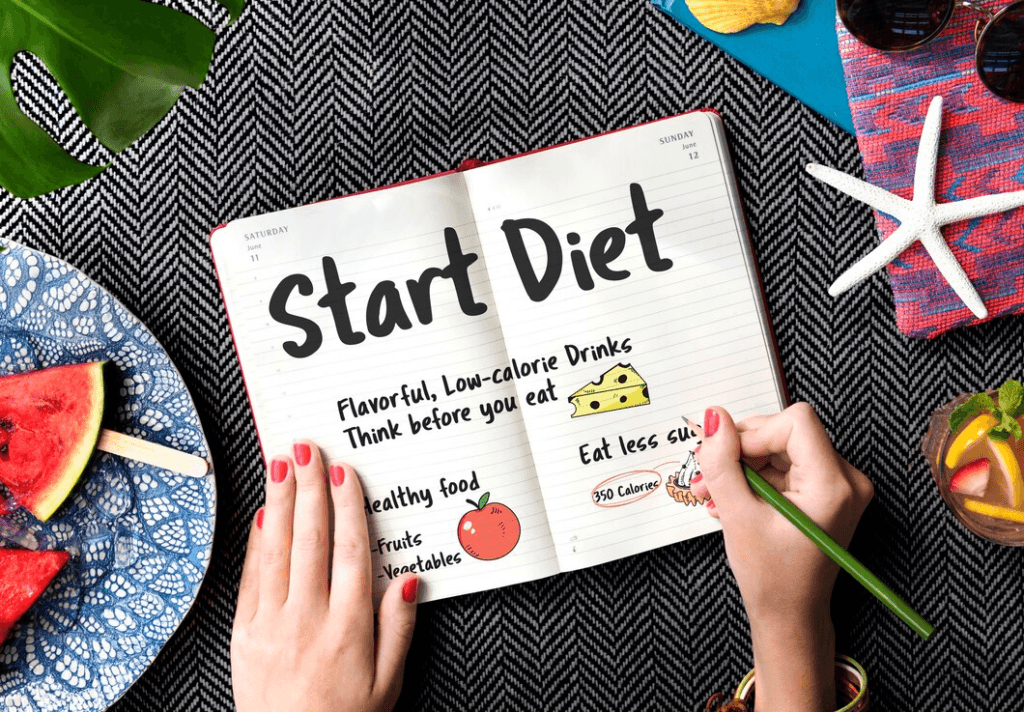

Tips for Losing Weight Safely can feel difficult, especially for beginners who are just starting their health journey. Many people try strict diets or intense workouts that promise fast results. However, these methods are often hard to maintain and may not be healthy in the long run. Safe weight loss focuses on building simple habits that improve overall health while helping the body lose weight gradually. For beginners, the best approach is to make small lifestyle changes instead of following extreme plans. Eating balanced meals, staying active, drinking enough water, and getting proper sleep are important steps toward healthy weight loss. These habits not only help reduce weight but also improve energy levels and overall well-being.
Another important thing to remember is that weight loss takes time. Quick results are not always sustainable. By staying patient and consistent with healthy habits, beginners can achieve long-term success while keeping their bodies healthy.
Table of Contents
Eat Balanced Meals
Eating balanced meals is one of the most important steps for safe weight loss. Many beginners believe that eating less food will automatically help them lose weight. However, skipping meals or eating too little can slow down metabolism and make the body feel tired. A healthy meal should include protein, healthy fats, and complex carbohydrates. Protein helps keep you full and supports muscle health. Good sources of protein include eggs, chicken, fish, beans, and yogurt. Fruits and vegetables are also essential because they provide fiber, vitamins, and minerals. Fiber helps improve digestion and keeps the stomach full for a longer time, which can reduce unnecessary snacking.
It is also helpful to limit processed and sugary foods such as fast food, sugary drinks, and packaged snacks. These foods often contain high calories with very little nutritional value.
Stay Active
Physical activity plays a major role in weight loss and overall health. Exercise helps burn calories, strengthen muscles, and improve metabolism. Beginners do not need to start with difficult workout routines. Simple activities can be very effective. Walking is one of the easiest exercises for beginners. A daily walk of 20–30 minutes can help burn calories and improve heart health. Over time, the duration or speed of walking can be increased. In addition to walking, beginners can try simple home exercises such as squats, lunges, or stretching. These exercises help improve strength and flexibility.
Regular physical activity also improves mood and reduces stress. Exercise releases hormones that make people feel happier and more motivated.
- Improves overall stamina and energy levels.
- Helps maintain a healthy heart and better blood circulation.
- Supports muscle strength and body balance.
- Reduces the risk of lifestyle diseases such as obesity and diabetes.
- Helps build a consistent and healthy daily routine.
Drink More Water
Drinking enough water is an important habit for maintaining a healthy body. Water helps with digestion, supports metabolism, and keeps the body hydrated. Sometimes people feel hungry when their body is actually thirsty. Drinking a glass of water before meals can help control appetite and prevent overeating. Replacing sugary drinks with water can also reduce calorie intake. Soft drinks, sweetened juices, and energy drinks often contain large amounts of sugar that contribute to weight gain. Carrying a water bottle during the day can help remind people to drink water regularly.

Sleep Well
Sleep plays an important role in maintaining a healthy weight. When people do not get enough sleep, their bodies may produce hormones that increase hunger and cravings for unhealthy foods. Most adults need about seven to nine hours of sleep each night. Proper sleep allows the body to recover and restore energy for the next day. Lack of sleep can also reduce motivation to exercise and stay active. When the body feels tired, it becomes easier to choose unhealthy foods or skip workouts. Creating a regular sleep routine can help improve sleep quality. Going to bed at the same time each night and avoiding screens before bedtime can support better sleep.
- Maintain a Consistent Sleep Schedule
Try to sleep and wake up at the same time every day. A consistent routine helps regulate the body’s internal clock and improves sleep quality.
- Create a Comfortable Sleep Environment
A quiet, dark, and cool room can help the body relax and fall asleep faster. A comfortable mattress and pillow also improve sleep quality.
- Avoid Caffeine Before Bed
Drinks like coffee, tea, and energy drinks can make it harder to fall asleep. It is better to avoid caffeine several hours before bedtime.
- Limit Screen Time at Night
Using phones, laptops, or watching TV before bed can disturb sleep. Reducing screen time helps the brain relax and prepare for rest.
Control Portions
Portion control is a helpful strategy for beginners who want to lose weight without following strict diets. Many people eat more food than their body actually needs, especially when portion sizes are large. Using smaller plates and paying attention to serving sizes can help control calorie intake. Another useful habit is mindful eating.
Mindful eating means paying attention to the food you are eating and enjoying each bite. Eating slowly allows the brain to recognize when the stomach is full.Avoiding distractions such as television or mobile phones while eating can also prevent overeating.
Stay Consistent
Setting realistic goals is important for successful weight loss. Many beginners expect quick results and feel discouraged when progress is slow. Healthy weight loss usually happens gradually. Losing about one to two pounds per week is considered safe and sustainable for most people. Breaking large goals into smaller steps can make the journey easier. For example, beginners can focus on drinking more water, exercising regularly, or eating more vegetables.

Tracking progress and celebrating small improvements can help maintain motivation. Consistency is the key to long-term success.
Set small and achievable weekly goals.
- Follow a regular eating and exercise routine.
- Avoid comparing your progress with others.
- Stay patient and focus on long-term results.
- Learn from setbacks instead of giving up.
- Keep reminding yourself of your health goals.
- Maintain a positive mindset throughout the journey.
Conclusion
Losing weight safely requires patience and a balanced approach. Instead of following extreme diets or intense workout routines, beginners should focus on building healthy habits that can be maintained over time. Eating balanced meals, staying active, drinking enough water, getting proper sleep, and controlling portion sizes are simple but effective strategies.
By staying consistent and making gradual lifestyle changes, beginners can achieve sustainable weight loss while improving their overall health and well-being.
FAQs
1. What is the safest way to lose weight for beginners?
The safest way is to combine balanced eating, regular exercise, proper hydration, and good sleep habits.
2. How much weight can a beginner lose in a week?
Most experts recommend losing about 1–2 pounds per week for safe weight loss.
3. Do beginners need intense workouts to lose weight?
No, simple activities like walking, stretching, or light exercises can be effective.
4. Can drinking water help with weight loss?
Yes, water can help control appetite and reduce the intake of sugary drinks.
5. Is skipping meals helpful for weight loss?
No, skipping meals can slow metabolism and lead to overeating later.
6. How long does it take to see weight loss results?
With consistent healthy habits, many people begin to notice changes within a few weeks.