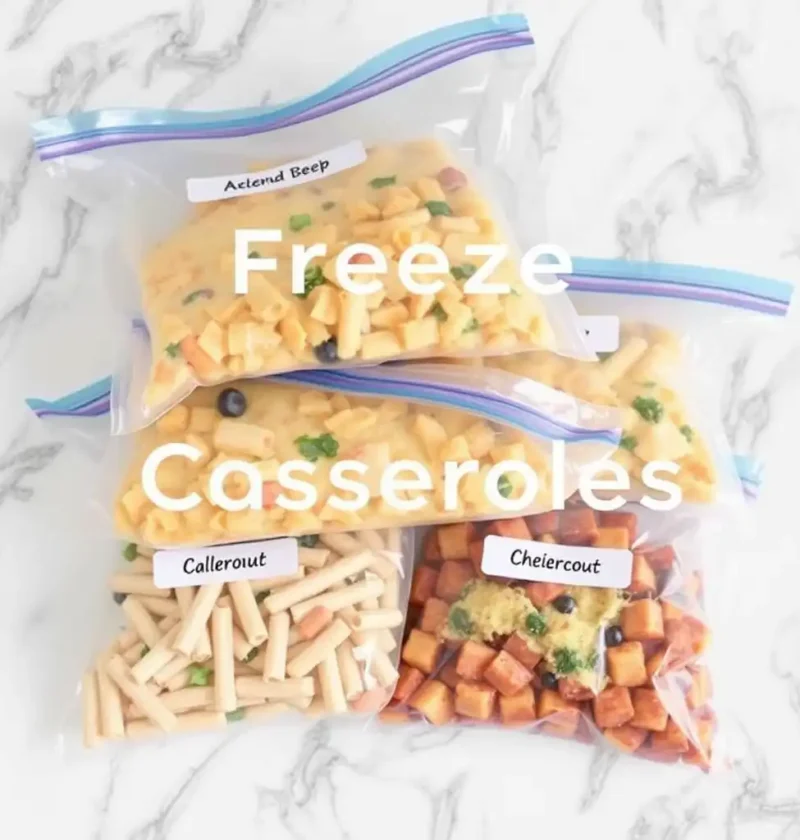
There is nothing more disappointing than pulling a casserole from the freezer, baking it, and ending up with something watery, unevenly heated, or strangely mushy around the edges. Most of the time, the problem is not the recipe itself. It is how the casserole was assembled, cooled, wrapped, frozen, or reheated. That is the good news here: once you know a few practical steps, freezer casseroles become much more reliable.
If you have ever wondered how to freeze casseroles properly, this guide is for you. It solves the common problems home cooks run into when trying to prep meals ahead, especially soggy results, freezer burn, and casseroles that just do not reheat well. The method is simple, beginner-friendly, and built for real kitchens.
This is not about making freezer cooking feel complicated. It is about helping you make casseroles that still taste homemade when you finally need them. Whether you are meal prepping for busy weeknights, stocking your freezer before a hectic season, or just trying to waste less food, learning how to freeze casseroles the right way can save time, money, and a lot of dinner frustration.
Table of Contents
Why You’ll Love This Method
Freezing casseroles well is less about perfection and more about getting the basics right. Once you do, make-ahead dinners become a lot easier to trust.
Here is why this method works:
- It helps prevent soggy casseroles. That is usually the biggest concern.
- It saves time later. One cooking session can cover multiple meals.
- It reduces food waste. Extra casserole does not need to sit forgotten in the fridge.
- It is beginner-friendly. You do not need special tools beyond good wrapping and a freezer-safe dish.
- It makes weeknights easier. A ready-to-bake casserole can be a lifesaver on busy days.
This approach is especially useful for:
- beginner home cooks
- busy families
- meal preppers
- anyone bringing meals to friends or relatives
- people who like cooking once and eating more than once
Ingredients Breakdown
Since this is more of a practical how-to guide than a single recipe, the “ingredients” here are really the casserole components that freeze well, the ones that need a little caution, and the swaps that help improve texture.
Ingredients that freeze well
These are usually the easiest casserole building blocks:
- cooked ground beef
- shredded chicken
- sausage
- cooked rice
- beans
- sturdy pasta
- shredded cheese
- tomato-based sauces
- cooked onions
- carrots
- corn
- peas
These ingredients hold up well because they do not release too much extra water after thawing and reheating.
Ingredients that need more care
These are not automatic deal-breakers, but they are more likely to affect texture if you are not careful:
- watery vegetables like zucchini or mushrooms
- raw spinach in large amounts
- cream-heavy sauces
- sour cream-based fillings
- delicate pasta
- raw potatoes
- crispy toppings
Substitution tip: If a casserole includes very watery vegetables, cook them first or reduce the amount. That alone can improve freezer results a lot.
Best casserole bases for freezing
If you are starting from scratch, these types of casseroles usually freeze especially well:
- baked ziti
- lasagna
- enchilada casseroles
- chicken and rice casseroles
- taco casseroles
- breakfast casseroles
- shepherd’s pie
- stuffed pepper casseroles
Substitution tip: Tomato-based casseroles are often more freezer-friendly than cream-heavy ones, especially for beginners.
Step-by-Step Instructions
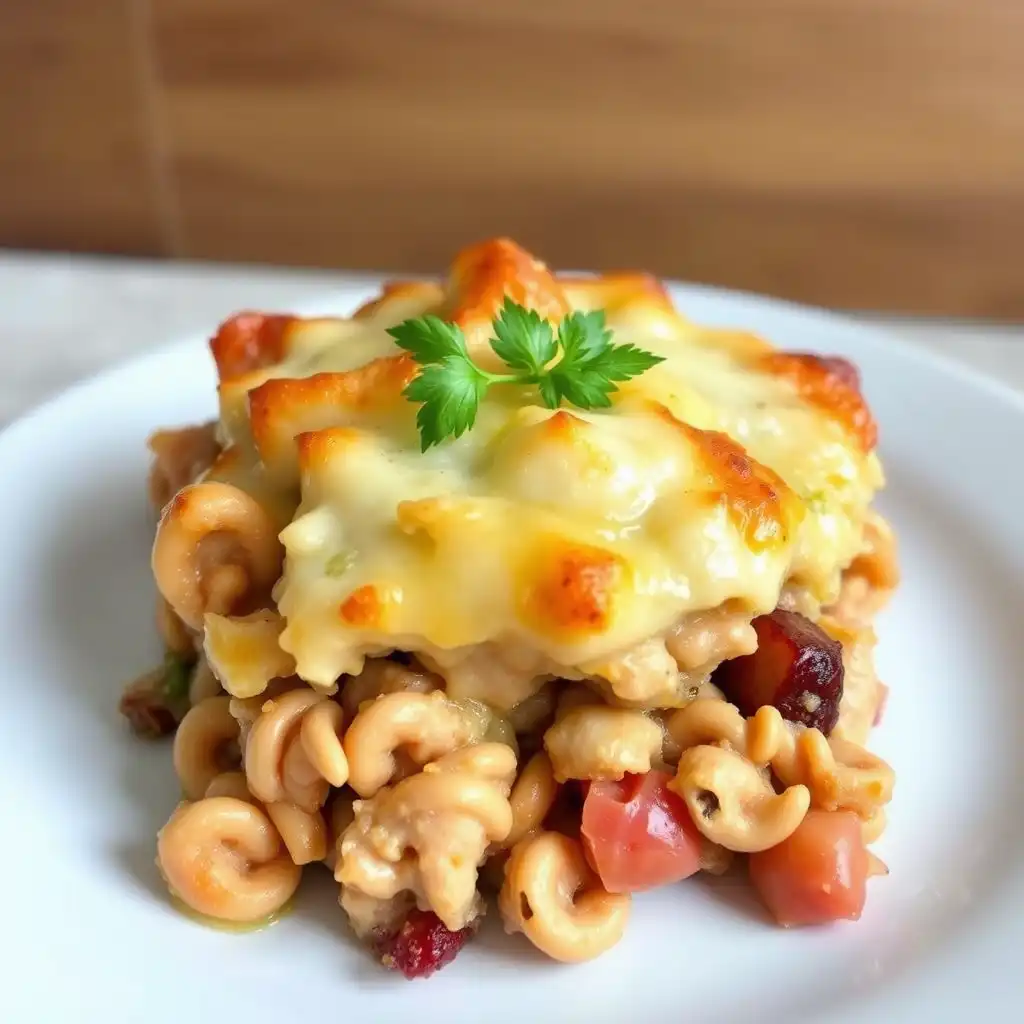
If you want casseroles that freeze and reheat well, the process matters as much as the recipe. These steps are the difference between “this worked beautifully” and “why is this watery in the middle?”
1. Choose the right casserole to freeze
Not every casserole freezes equally well. Start with recipes that already have a good balance of sauce, starch, and cooked ingredients.
Good beginner choices include:
- baked pasta dishes
- enchilada casseroles
- chicken and rice casseroles
- taco bakes
- shepherd’s pie
- breakfast casseroles with eggs, cheese, and cooked fillings
Casseroles with crispy toppings, lots of raw vegetables, or very delicate dairy sauces are usually harder to freeze well.
2. Slightly undercook pasta or vegetables if needed
If your casserole includes pasta, cook it a little less than you normally would. It will continue softening when you bake or reheat it later.
The same idea applies to vegetables. If they are going into a casserole that will be frozen and baked later, do not cook them until they are completely soft.
Helpful tip: You are aiming for “almost done,” not fully finished. This helps prevent mushy texture later.
3. Let hot ingredients cool before assembling when appropriate
If you layer a casserole with steaming-hot ingredients and then freeze it right away, you trap moisture inside. That moisture often becomes ice crystals, and those ice crystals can lead to sogginess later.
Let cooked components cool first, especially:
- cooked meat
- pasta
- rice
- sautéed vegetables
- sauce
The casserole does not need to be cold, but it should not be piping hot when you assemble it for the freezer.
4. Use the right dish
You have a few good options:
- foil pans for gifting or easy cleanup
- glass or ceramic baking dishes if you are freezing and baking in the same dish
- metal pans for faster freezing
- freezer-safe containers for smaller casseroles
If using a glass dish, make sure it is freezer-safe and let it thaw before putting it into a hot oven unless the manufacturer says otherwise.
Helpful tip: If you want to free up your dish after freezing, line the pan with parchment or plastic wrap first, freeze the casserole until solid, then lift it out and wrap it separately.
5. Assemble the casserole with freezer texture in mind
This is where a lot of soggy casseroles start.
A few smart rules help:
- do not add too much sauce
- avoid very wet fillings
- use cooked vegetables instead of raw watery ones
- keep crunchy toppings off until baking day
- do not overload the dish with cheese sauces that may separate
You want enough moisture so the casserole reheats well, but not so much that it turns soupy after thawing.
6. Cool the assembled casserole before wrapping
Once your casserole is assembled, let it cool completely before wrapping and freezing. This is one of the most important steps.
Why it matters:
- it reduces condensation
- it helps prevent ice crystals
- it improves the final texture
If you put a warm casserole straight into the freezer, the trapped steam can create a wet layer over the food.
7. Wrap it tightly and label it clearly
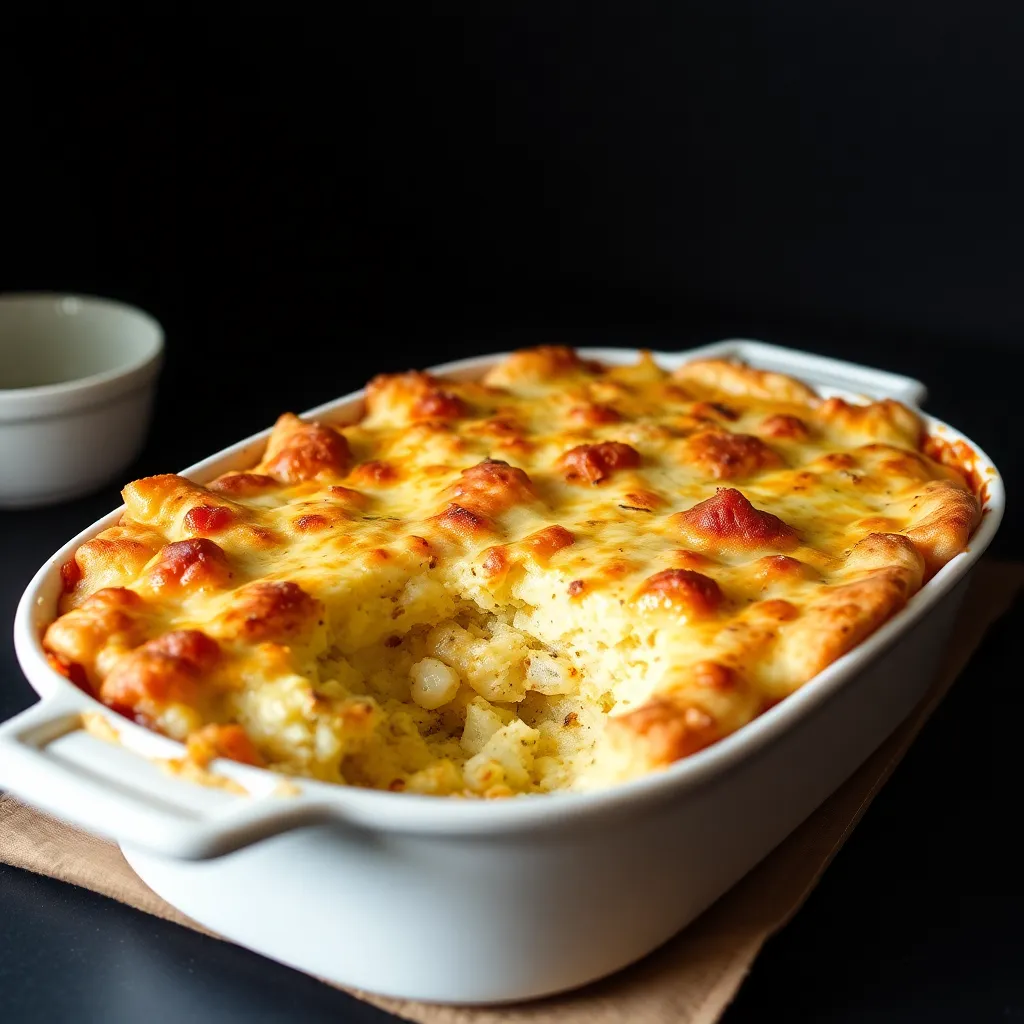
A good wrap is what protects your casserole from freezer burn and weird freezer smells.
Use this method:
- first layer: plastic wrap pressed closely to the surface if possible
- second layer: foil or a tight-fitting lid
- optional third layer: freezer bag or another layer of foil for longer storage
Then label it with:
- name of the casserole
- date
- baking instructions
- whether it is raw or already baked
Helpful tip: Write the baking temperature and approximate reheating time right on the foil. You will thank yourself later.
8. Freeze quickly and store flat if possible
The faster a casserole freezes, the better its texture tends to be. If you have room, place it in the coldest part of the freezer and avoid stacking other items on top until it is fully frozen.
This helps it set more evenly and keeps the structure intact.
9. Thaw the right way
For the best results, thaw most casseroles overnight in the refrigerator before baking. This leads to more even cooking and lowers the risk of a hot edge with a still-cold center.
Some casseroles can bake from frozen, but they usually need much longer and often benefit from being covered first.
Helpful tip: If baking from frozen, add time gradually and check the center rather than relying only on the clock.
10. Add fresh toppings right before baking
If your casserole normally gets topped with:
- breadcrumbs
- crushed crackers
- fried onions
- extra cheese
- herbs
add those on baking day, not before freezing.
This keeps the top from becoming soggy or dull.
Expert Tips for Best Results
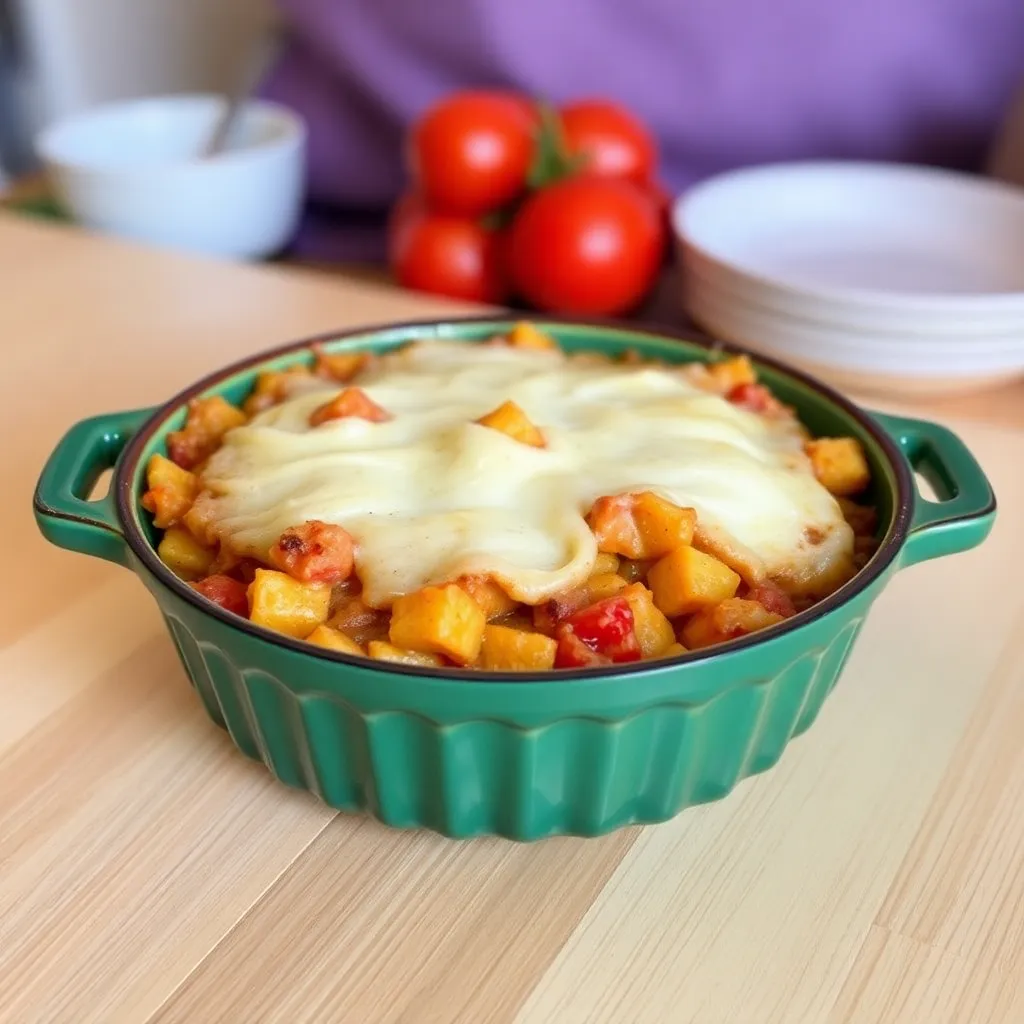
Once you know the basics, a few smaller details make a big difference.
Use thicker sauces, not thin ones
A sauce that looks slightly thick before freezing usually bakes up better than one that already seems loose.
Thin sauces become even wetter after thawing. If needed, simmer your sauce a little longer before assembling.
Freeze in meal-size portions
A giant casserole is helpful for some families, but smaller casseroles are often easier to thaw and reheat evenly.
Try:
- one family-size pan
- two smaller pans
- individual portions for lunches
This gives you more flexibility and better texture control.
Do not overfill the dish
A casserole packed to the very top is harder to wrap, harder to freeze evenly, and more likely to bubble over when baking.
Leave a little room at the top, especially for saucy casseroles.
Consider freezing before baking
Many casseroles freeze best when assembled but not fully baked. This can help preserve structure and prevent overcooked edges later.
This works especially well for:
- lasagna
- baked ziti
- enchilada casseroles
- breakfast casseroles
Bake covered, then uncover
When reheating, cover the casserole for most of the baking time to protect moisture and help it heat evenly. Then uncover near the end so the top can brown and excess moisture can evaporate.
Cooking Mistakes to Avoid
These are the most common reasons freezer casseroles disappoint.
Freezing a casserole while still warm
This creates condensation and ice crystals, which is one of the main causes of soggy results.
Using too many watery vegetables
Zucchini, mushrooms, spinach, and similar vegetables need to be cooked down or used carefully. Otherwise they release too much water later.
Adding crunchy toppings too early
Breadcrumbs and fried onions lose texture in the freezer and usually turn soft after thawing.
Overcooking ingredients before freezing
Remember that your casserole will cook again later. If the pasta, rice, or vegetables are already fully cooked, they may become too soft.
Wrapping loosely
A casserole that is not wrapped well will dry out, pick up freezer odors, or develop freezer burn.
Storage and Reheating Advice
A well-frozen casserole is only half the job. Reheating matters too.
How long casseroles keep in the freezer
Most casseroles are best used within:
- 2 to 3 months for the best texture and flavor
They may stay safe longer if stored properly, but quality usually starts dropping after that.
Best way to thaw
The most reliable option is:
- move the casserole from freezer to fridge the night before
That gives it time to thaw evenly and makes baking much easier.
How to reheat without sogginess
Use this general approach:
- Bake covered at first
- Bake until the center is hot
- Uncover near the end
- Let it rest for 10 to 15 minutes before serving
That resting time matters. It helps excess moisture settle and makes the casserole easier to slice.
If the casserole seems watery after thawing
Do not panic. A little extra liquid is common.
You can usually fix it by:
- baking uncovered longer near the end
- blotting obvious surface moisture before baking if needed
- letting it rest after baking so it firms up
Make-Ahead Tips
Freezer casseroles work best when they are part of a simple system, not an overwhelming project.
Here are a few practical ways to make it easier:
- Double one casserole you already make often
- Freeze one for later and eat one now
- Prep filling and sauce one day, assemble the next
- Keep a marker and foil near the freezer so labeling is easy
- Start with one or two casserole types before building a bigger freezer habit
If you are new to freezer cooking, baked ziti or enchiladas are great places to start.
Variations & Customizations
Once you understand the freezing method, you can adapt casseroles based on what your family likes and what ingredients you already have.
Diet-friendly options
Vegetarian casseroles
These freeze well when built around:
- beans
- lentils
- cooked vegetables
- rice
- pasta
- tomato sauce
Good examples include vegetarian baked ziti, black bean enchilada casserole, and lentil shepherd’s pie.
Dairy-free casseroles
Tomato-based casseroles are often the easiest. If you use dairy-free cheese, know that texture can vary by brand, so smaller test batches are helpful.
Gluten-free casseroles
Use gluten-free pasta that holds up well, rice-based casseroles, or potato-topped casseroles. Avoid anything too delicate until you know how the ingredients behave after freezing.
Ingredient Swaps
A few smart substitutions can improve freezer results:
- Cooked spinach instead of raw spinach to reduce extra moisture
- Thicker tomato sauce instead of a thin cream sauce for easier freezing
- Par-cooked pasta instead of fully cooked pasta to avoid mushiness
- Breadcrumb topping added later instead of before freezing
- Cooked mushrooms instead of raw mushrooms to reduce water release
Serving Suggestions
A freezer casserole is usually the main event, so side dishes can stay simple.
What to serve with it
- green salad
- garlic bread
- roasted broccoli
- steamed green beans
- fruit salad
- soup for smaller portions
- simple cucumber salad
Easy meal ideas
- Baked ziti night: ziti + Caesar salad + garlic bread
- Enchilada casserole dinner: casserole + avocado + simple rice
- Breakfast casserole brunch: casserole + fruit + toast
- Shepherd’s pie evening: pie + green beans + salad
- Chicken and rice casserole meal: casserole + roasted carrots + fruit
FAQs
Can you freeze casseroles before baking them?
Yes, and in many cases that is the best option. Many casseroles hold up very well when assembled, wrapped, frozen, then baked later after thawing.
Why does my frozen casserole turn out watery?
The most common reasons are freezing it while still warm, using too many watery vegetables, adding too much sauce, or trapping condensation under the wrap.
Is it better to freeze casseroles in glass or foil pans?
Both can work. Foil pans are convenient and lightweight, while freezer-safe glass dishes are reusable. Just be careful with temperature changes if using glass.
Should I thaw a casserole before baking it?
Usually, yes. Thawing overnight in the refrigerator helps it cook more evenly. Some casseroles can bake from frozen, but they often need more time and closer checking.
What casseroles freeze best?
Baked pasta dishes, lasagna, enchilada casseroles, shepherd’s pie, breakfast casseroles, and chicken-and-rice casseroles are all good choices.
How long can a casserole stay in the freezer?
Most casseroles are best used within 2 to 3 months for the best taste and texture.
Do I freeze casseroles with toppings on or off?
Usually off. Add crunchy toppings, fresh herbs, and extra cheese right before baking for the best texture.
Nutritional Overview
The nutrition of a freezer casserole depends entirely on the kind of casserole you are making. Some are vegetable-heavy and lighter, while others are more comfort-food based with pasta, cheese, meat, or creamy sauces.
In general, casseroles often combine a protein, starch, vegetables, and sauce, which can make them a practical all-in-one family meal. If you want a lighter casserole, using more vegetables, leaner protein, and less heavy sauce is usually the easiest adjustment. If you want something heartier, pasta bakes, rice casseroles, and potato-topped dishes tend to be more filling.
The nice thing about learning how to freeze casseroles properly is that once you understand the method, you can apply it to many different casserole styles depending on your household and preferences.
Final Thoughts
Learning how to freeze casseroles properly is one of those kitchen skills that makes everyday cooking easier almost immediately. It helps you plan ahead, reduce waste, and keep a few dependable meals ready for the nights when cooking from scratch just is not happening.
The biggest takeaway is simple: cool the casserole completely, avoid excess moisture, wrap it well, and reheat it in a way that gives it time to warm through without turning soggy. Those small steps make a huge difference.
Start with one casserole you already know your family likes. Freeze it once using these steps, and pay attention to how it reheats. After that, it gets easier fast. And if you try this method, share which casserole you froze first or the trick that helped you get the best results.