 Jacy
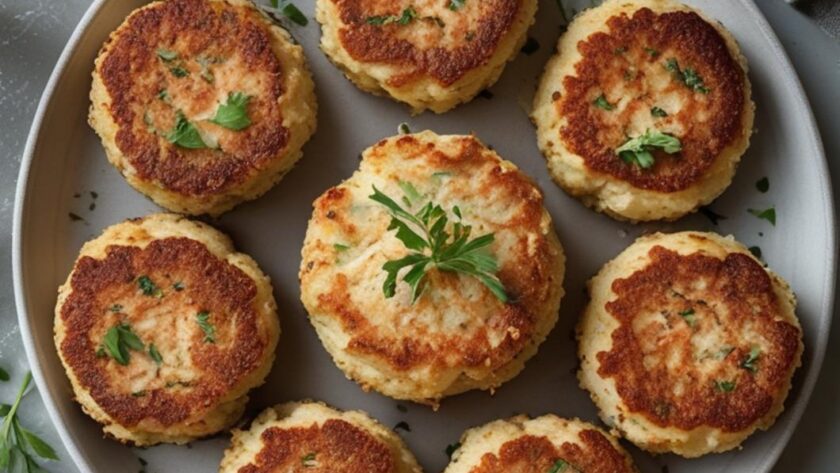
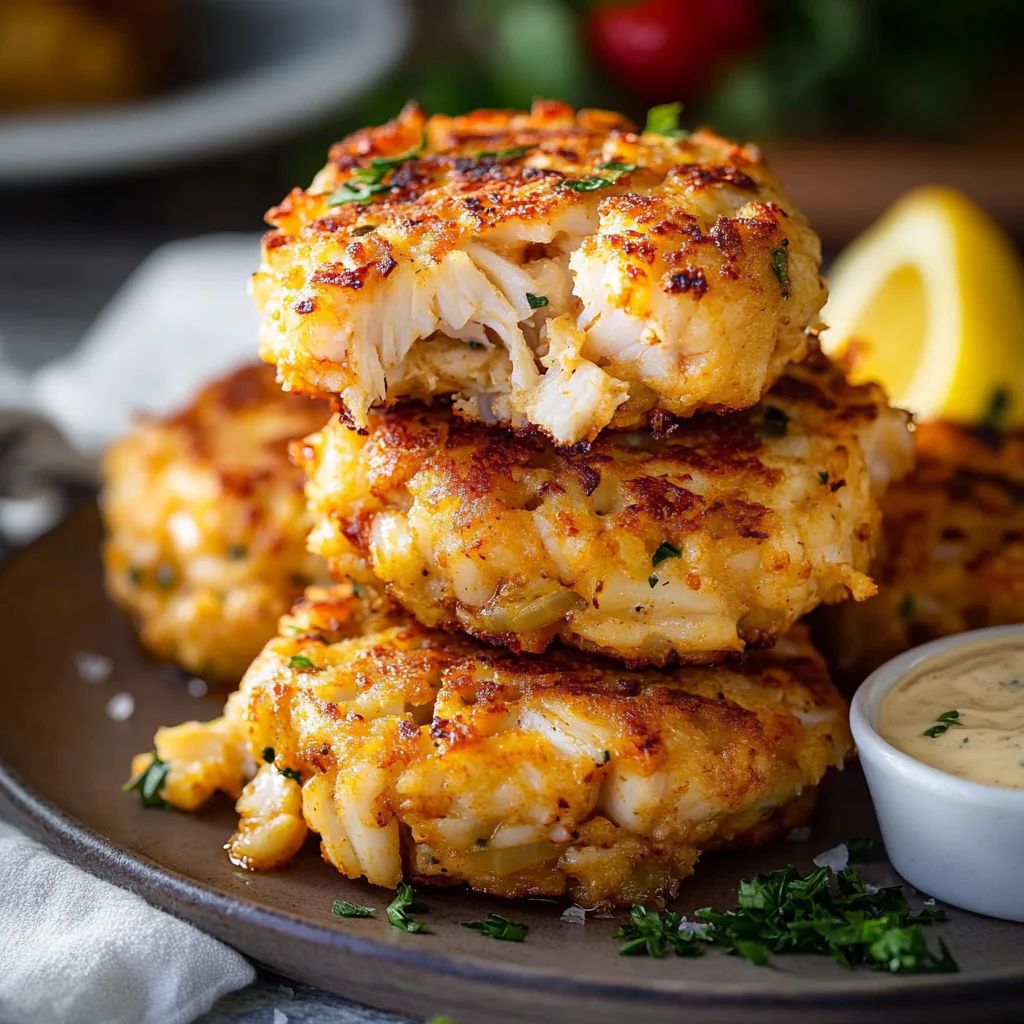
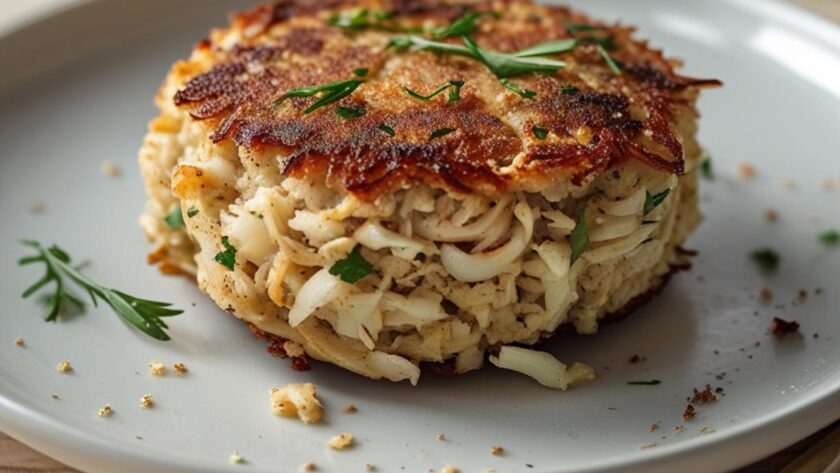
Jacy There’s something undeniably special about a perfect crab cake. That crispy, golden exterior giving way to a tender, flavorful, and almost fluffy interior packed with sweet crab meat. For many, it’s a restaurant treat, but the truth is, an easy crab cake recipe is well within your home-cooking repertoire. Forget complicated, fussy versions. This guide is all about celebrating the crab with minimal filler and maximum flavor, resulting in delectable, simple crab cakes that are surprisingly simple to make at home.
Table of Contents
Maryland-Style Crab Cakes
Ingredients
- 1 pound lump crab meat, carefully picked over for shells
- 1/2 cup panko breadcrumbs (plus extra for coating)
- 1/4 cup mayonnaise
- 1 large egg, lightly beaten
- 1 tablespoon Dijon mustard
- 1 tablespoon Worcestershire sauce
- 1 teaspoon Old Bay seasoning (plus more for garnish)
- 1/4 cup finely minced fresh parsley
- 2 tablespoons finely sliced green onion
- 1 tablespoon fresh lemon juice
- 1/4 teaspoon kosher salt (taste crab first, as some is pre-salted)
- 1/4 teaspoon freshly ground black pepper
- 4 tablespoons unsalted butter, for frying
- 2 tablespoons neutral oil (like avocado or canola), for frying
- Lemon wedges and tartar sauce, for serving
Step-by-Step Instructions
1. In a medium bowl, gently combine the mayonnaise, egg, Dijon mustard, Worcestershire sauce, Old Bay, parsley, green onion, lemon juice, salt, and pepper. Mix until the wet ingredients are uniform.
2. Add the panko breadcrumbs to the wet mixture and stir to combine. Let this mixture sit for 2-3 minutes to allow the panko to absorb the moisture.
3. Now, add the lump crab meat. Using a gentle folding motion with a spatula or your hands, mix just until the crab is evenly coated with the binder. Be careful not to break up the lumps. This is the heart of an easy crab cake recipe—gentle handling is key.
4. Form the mixture into 6 equal patties, about 1-inch thick. Place them on a parchment-lined plate or baking sheet. For a firmer cake that holds together even better, cover and refrigerate for 30 minutes to 1 hour.
5. When ready to cook, place some extra panko on a shallow plate. Lightly coat each cake in the panko, patting gently to adhere.
6. Heat the butter and oil in a large skillet (preferably cast iron or non-stick) over medium heat until the butter is foaming.
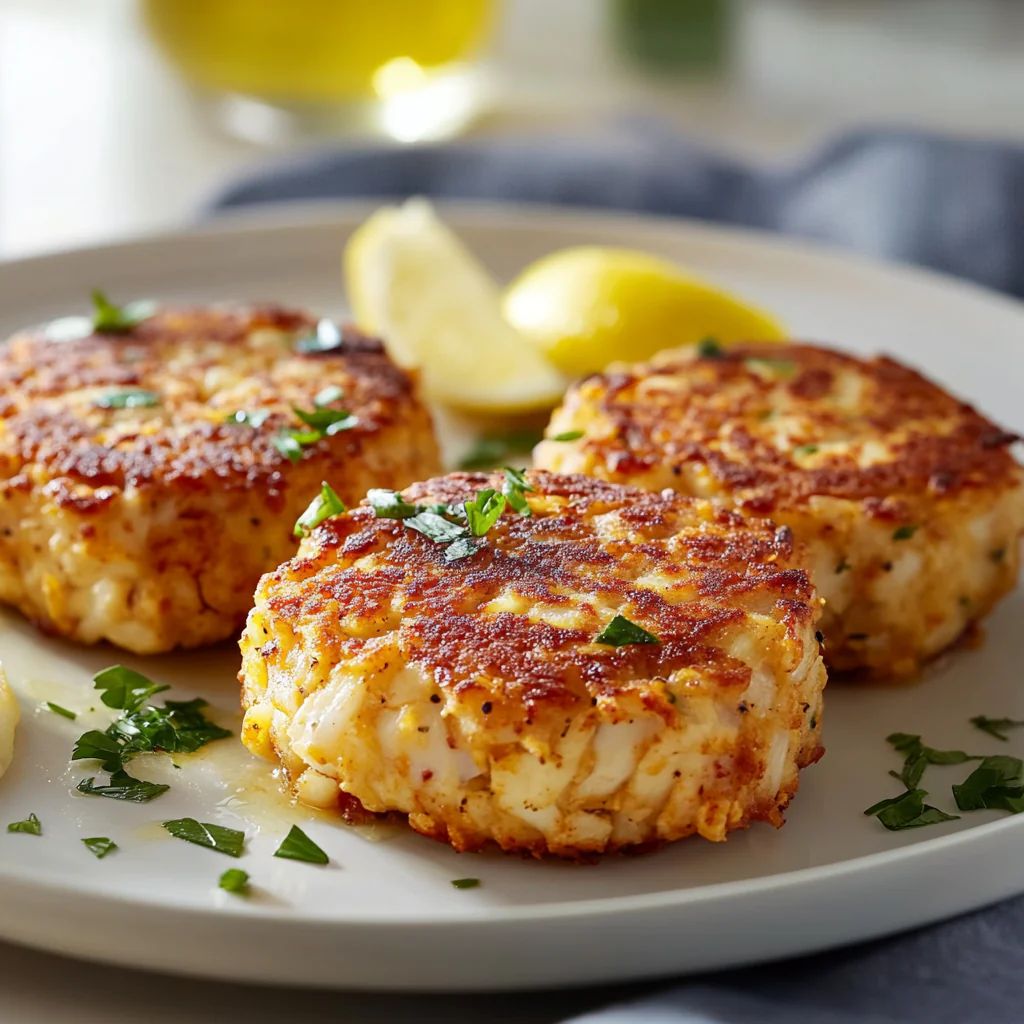
7. Carefully add the crab cakes, working in batches if necessary to avoid crowding the pan. Cook for 4-5 minutes per side, or until deeply golden brown and crispy.
8. Transfer to a paper towel-lined plate to drain briefly. Serve immediately with lemon wedges and tartar sauce. You’ve just mastered simple crab cakes!
Tips & Variations
- Binder Swap: For a lighter cake, you can use 1/4 cup of crushed saltine crackers or Ritz crackers in place of the panko in the mixture.
- Herb Twist: Add 1 teaspoon of fresh chopped tarragon or dill for a different flavor profile.
- Spice Level: Add a pinch of cayenne pepper or a few dashes of hot sauce to the wet mixture for a kick.
- Baking Option: For a lighter version, bake the formed cakes on a greased baking sheet at 400°F (205°C) for 12-15 minutes, flipping halfway, until golden.
Serving & Storage
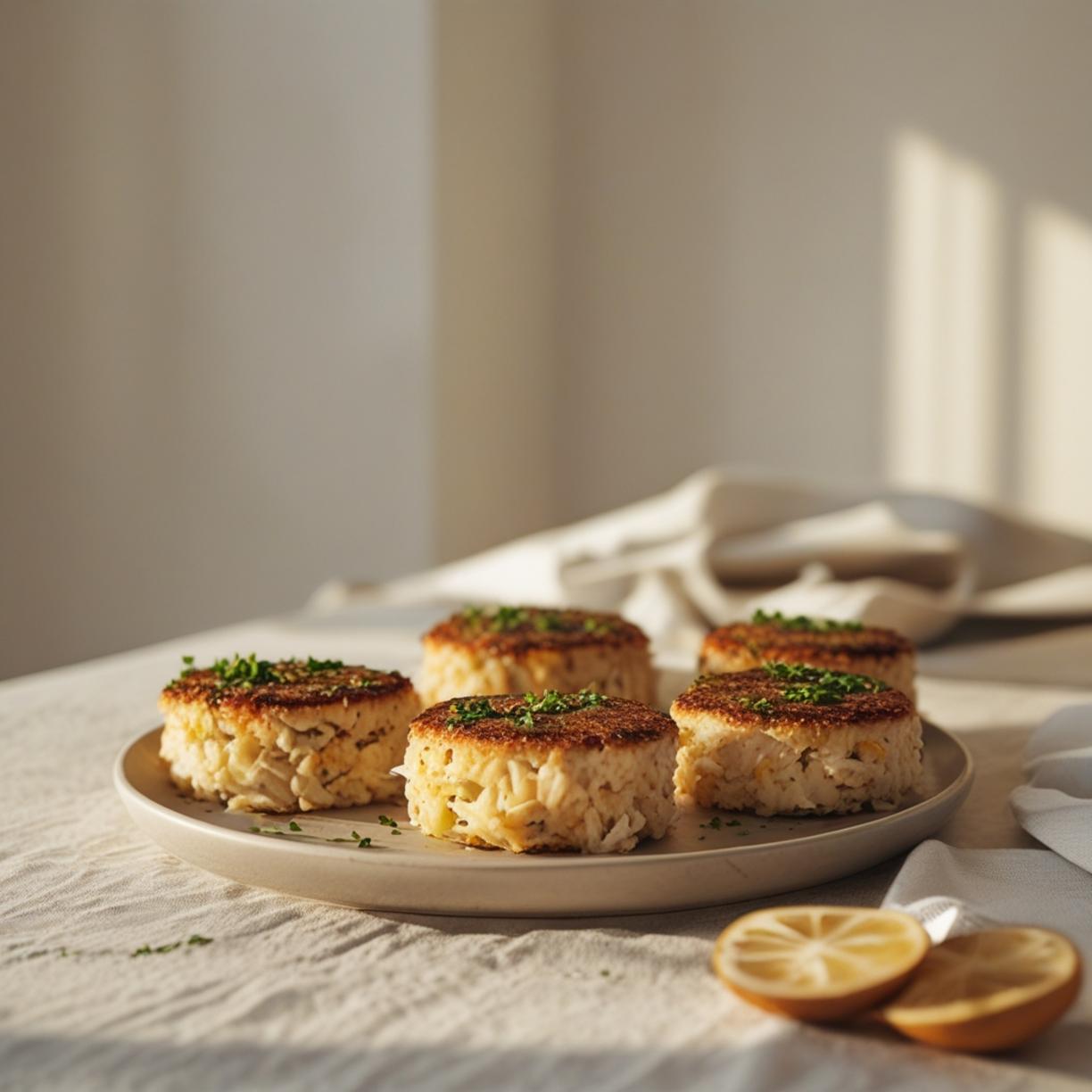
Serve these crab cakes as the star of the plate with classic sides like creamy coleslaw, french fries, or a fresh garden salad. For a more elegant presentation, place one on a bed of mixed greens with a lemon vinaigrette. To store leftovers, let them cool completely and place in an airtight container in the refrigerator for up to 2 days. Reheat gently in a 350°F (175°C) oven or air fryer until warmed through to maintain crispness.
Nutritional Benefits
Crab meat is an excellent source of high-quality, lean protein and is rich in vitamin B12, which is crucial for nerve function and energy production. It also provides essential minerals like selenium, zinc, and copper. Using minimal filler keeps these cakes focused on these beneficial nutrients.
Common Mistakes to Avoid
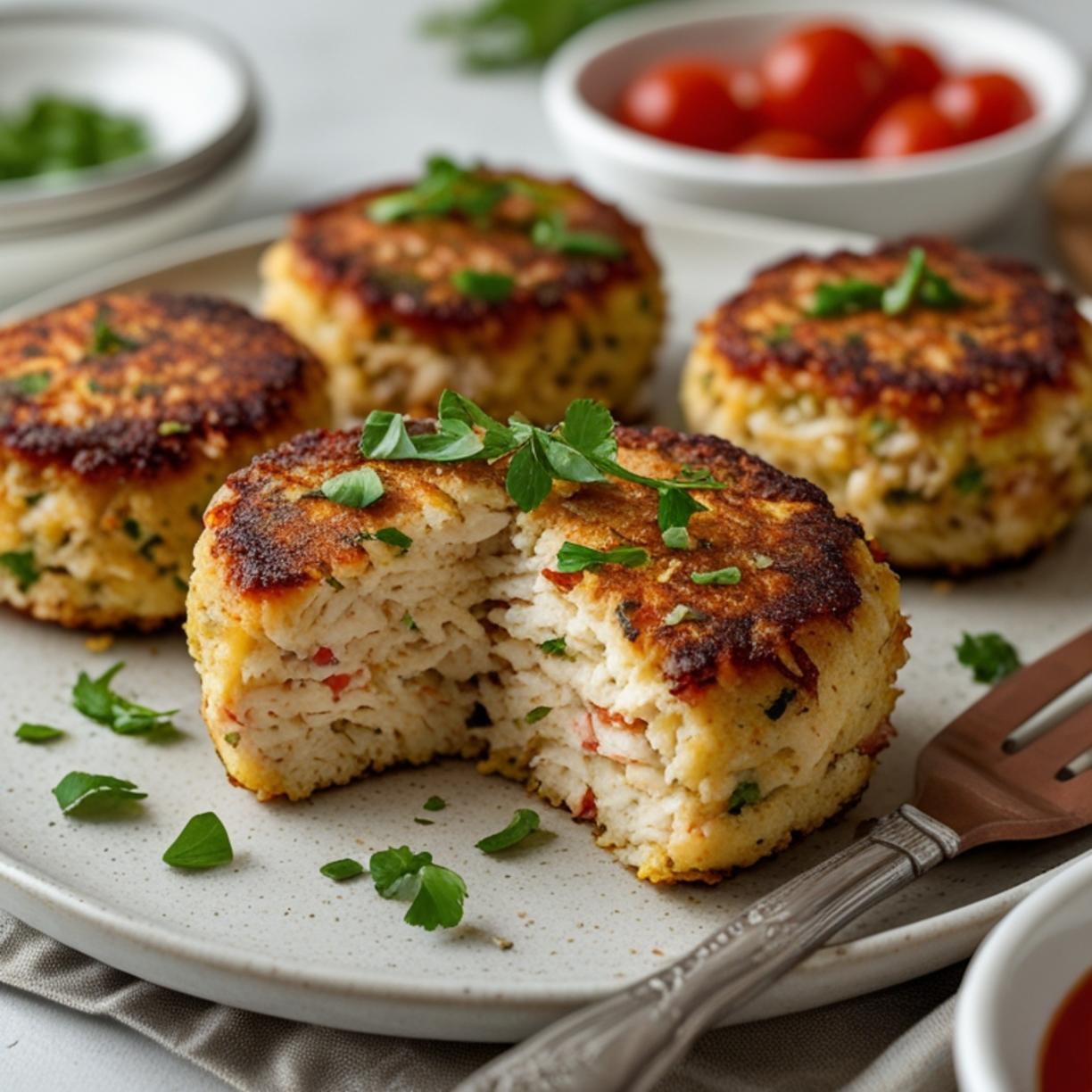
- Overmixing: This breaks down the precious lumps of crab and leads to a pasty, dense texture. Fold gently.
- Skipping the Chill: Chilling the formed cakes helps them firm up and prevents them from falling apart in the pan.
- Crowding the Pan: Adding too many cakes at once drops the pan temperature, causing them to steam instead of fry. Cook in batches.
- Flipping Too Early: Let a solid, golden crust form before attempting to flip. If you try too soon, the cake will stick and break.
- Underseasoning: Always taste your crab meat first. If it’s already salty, reduce the added salt in the recipe.
Final Conclusion
Mastering a great crab cake is a true kitchen win. This easy crab cake recipe proves that with a few quality ingredients and a gentle touch, you can create restaurant-worthy results right at home. The key is to let the sweet, delicate flavor of the crab shine through. We hope this guide gives you the confidence to whip up these delicious simple crab cakes for your next special dinner or weekend treat. Don’t forget to share your creations!
FAQs
Q: Can I use canned crab meat for this recipe?
A: You can, but for the best flavor and texture, lump crab meat (fresh, pasteurized, or frozen/thawed) is highly recommended. Canned crab can be mushier and more salty. If using canned, be sure to drain it very well and reduce any added salt in the recipe.
Q: What can I use instead of mayonnaise as a binder?
A: For a mayo-free binder, you can try using an extra egg yolk mixed with a tablespoon of plain Greek yogurt or sour cream. The goal is to have enough moisture to hold the cakes together without making them wet.
Q: Can I make crab cakes gluten-free?
A: Absolutely. Simply replace the panko breadcrumbs with an equal amount of gluten-free panko or crushed gluten-free crackers. Use gluten-free breadcrumbs for the light coating as well.
Q: Why did my crab cakes fall apart while frying?
A: This is usually due to not enough binder, overmixing (which breaks down the crab’s natural binding proteins), or flipping too soon. Ensure your egg and mayo mixture is well-combined, handle the crab gently, chill the formed cakes, and let a proper crust form before flipping.
Q: Can I freeze uncooked crab cakes?
A: Yes. After forming the patties, place them on a baking sheet and freeze until solid (about 2 hours). Then, transfer them to a freezer-safe bag or container. They can be cooked directly from frozen; just add a few extra minutes per side over medium heat.
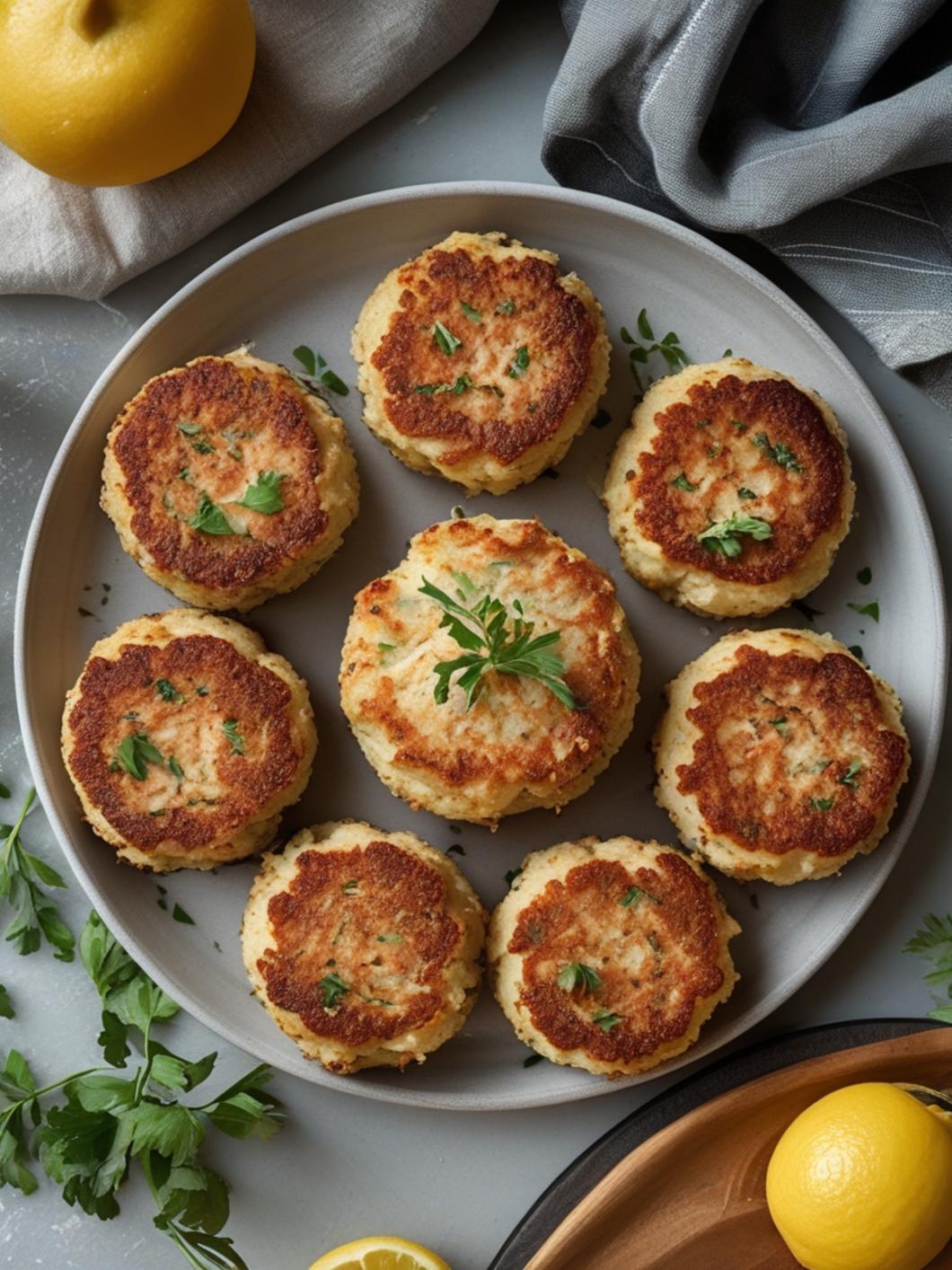
Crab Cakes
Ingredients
Method
- In a medium bowl, gently combine the mayonnaise, egg, Dijon mustard, Worcestershire sauce, Old Bay, parsley, green onion, lemon juice, salt, and pepper. Mix until the wet ingredients are uniform.
- Add the panko breadcrumbs to the wet mixture and stir to combine. Let this mixture sit for 2-3 minutes to allow the panko to absorb the moisture.
- Add the lump crab meat. Using a gentle folding motion with a spatula or your hands, mix just until the crab is evenly coated with the binder. Be careful not to break up the lumps.
- Form the mixture into 6 equal patties, about 1-inch thick. Place them on a parchment-lined plate or baking sheet. For a firmer cake, cover and refrigerate for 30 minutes to 1 hour.
- Place some extra panko on a shallow plate. Lightly coat each cake in the panko, patting gently to adhere.
- Heat the butter and oil in a large skillet (preferably cast iron or non-stick) over medium heat until the butter is foaming.
- Carefully add the crab cakes, working in batches if necessary to avoid crowding the pan. Cook for 4-5 minutes per side, or until deeply golden brown and crispy.
- Transfer to a paper towel-lined plate to drain briefly. Serve immediately with lemon wedges and tartar sauce.