
 Jacy
Jacy Few dishes capture the essence of Italian cuisine like a perfectly executed spaghetti carbonara. It’s a testament to the magic of simple ingredients combined with precise technique. For many home cooks, the thought of making a silky, creamy sauce without actual cream feels intimidating, but it doesn’t have to be. Today, we’re demystifying the process with a classic, no-fuss easy carbonara recipe that’s both authentic and approachable. By mastering the emulsion of eggs, cheese, and pasta water, you’ll unlock the secrets to this iconic dish. Consider this your ultimate carbonara sauce tutorial, designed for success in any kitchen.
Table of Contents
Spaghetti Carbonara
Ingredients
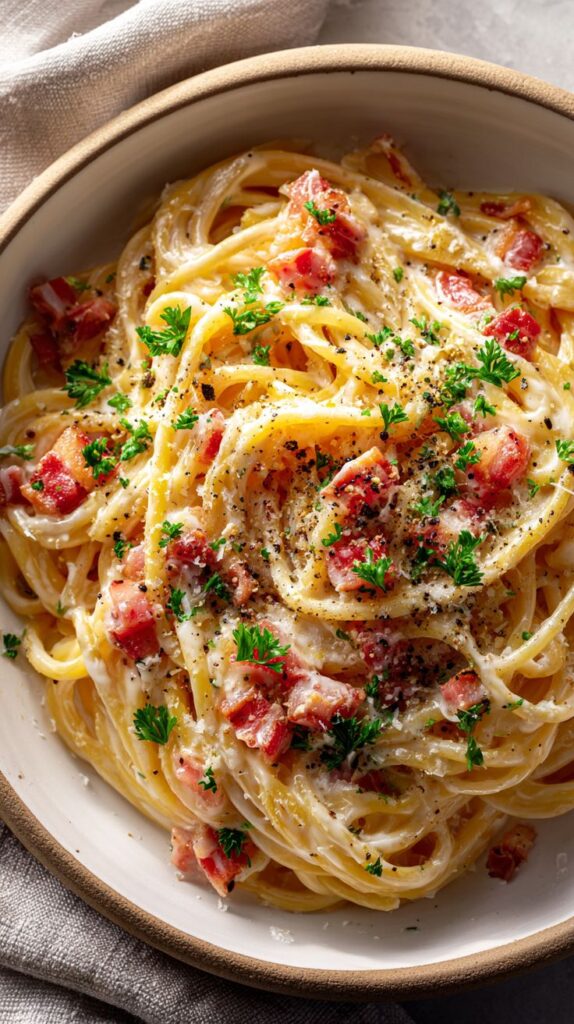
- 350g (12 oz) spaghetti or bucatini
- 200g (7 oz) guanciale, diced (pancetta or thick-cut bacon can substitute)
- 3 large egg yolks
- 1 whole large egg
- 100g (1 cup) finely grated Pecorino Romano cheese, plus extra for serving
- Freshly cracked black pepper
- Salt for pasta water
Step-by-Step Instructions

1. Begin by bringing a large pot of generously salted water to a boil for the pasta.
2. While the water heats, cook the guanciale in a large, cold skillet over medium heat. Render the fat until the pieces are crispy and golden, about 8-10 minutes. Remove from heat and set aside, leaving the rendered fat in the pan.
3. In a medium bowl, whisk together the 3 egg yolks, 1 whole egg, grated Pecorino Romano, and a generous amount of freshly cracked black pepper until a thick, smooth paste forms.
4. Cook the spaghetti in the boiling water according to package instructions for al dente. Just before draining, reserve about 1 cup of the starchy pasta cooking water.
5. Working quickly, drain the pasta and immediately add it to the skillet with the guanciale and its fat. Toss over low heat for one minute to coat the pasta and warm the pan.
6. Remove the skillet from the heat. Pour the egg and cheese mixture into the hot pasta, tossing rapidly with tongs. The residual heat will cook the eggs into a creamy sauce. Add reserved pasta water, a few tablespoons at a time, until you achieve a luxuriously silky, creamy consistency that coats each strand. This technique is the heart of any great easy carbonara recipe and completes your carbonara sauce tutorial.
7. Serve immediately with an extra sprinkle of Pecorino and a final crack of black pepper.
Tips & Variations
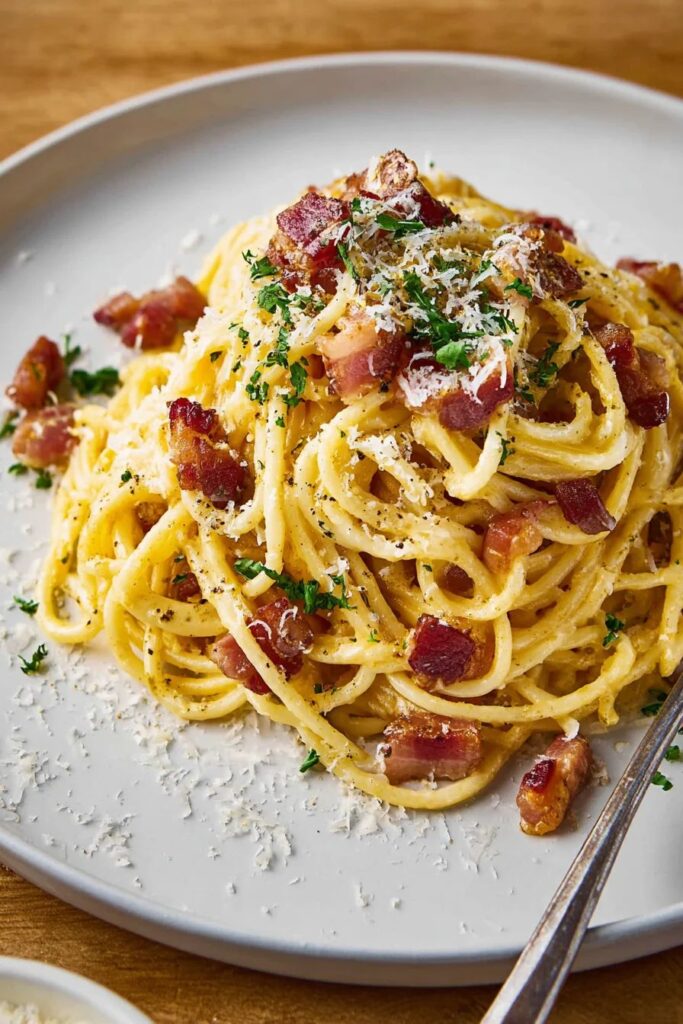
- Cheese Swap: For a milder flavor, use a 50/50 mix of Pecorino Romano and Parmigiano-Reggiano.
- Protein: If guanciale is unavailable, pancetta is the next best choice, followed by thick-cut, high-quality bacon.
- Pasta Shape: While spaghetti is classic, bucatini, rigatoni, or fettuccine work beautifully.
- Vegetarian Twist: Omit the guanciale and add sautéed mushrooms or black pepper for a “cacio e pepe” inspired dish.
Serving & Storage

Serve carbonara immediately in warm bowls. It pairs wonderfully with a simple arugula salad dressed with lemon juice and olive oil to cut the richness. A dry white wine like Frascati or a light red like Chianti complements it perfectly. Carbonara does not store well traditionally, as reheating can cause the sauce to break. If you must, store leftovers in an airtight container in the fridge for up to one day. To reheat, gently warm it in a skillet over very low heat with a splash of water, stirring constantly.
Nutritional Benefits
This dish provides a good source of high-quality protein from eggs and guanciale, and calcium from Pecorino cheese. Using only egg yolks and cheese for the sauce eliminates the need for heavy cream, making it naturally lower in lactose than many creamy pasta dishes. The dish is also a good source of energy-providing carbohydrates from the pasta.
Common Mistakes to Avoid
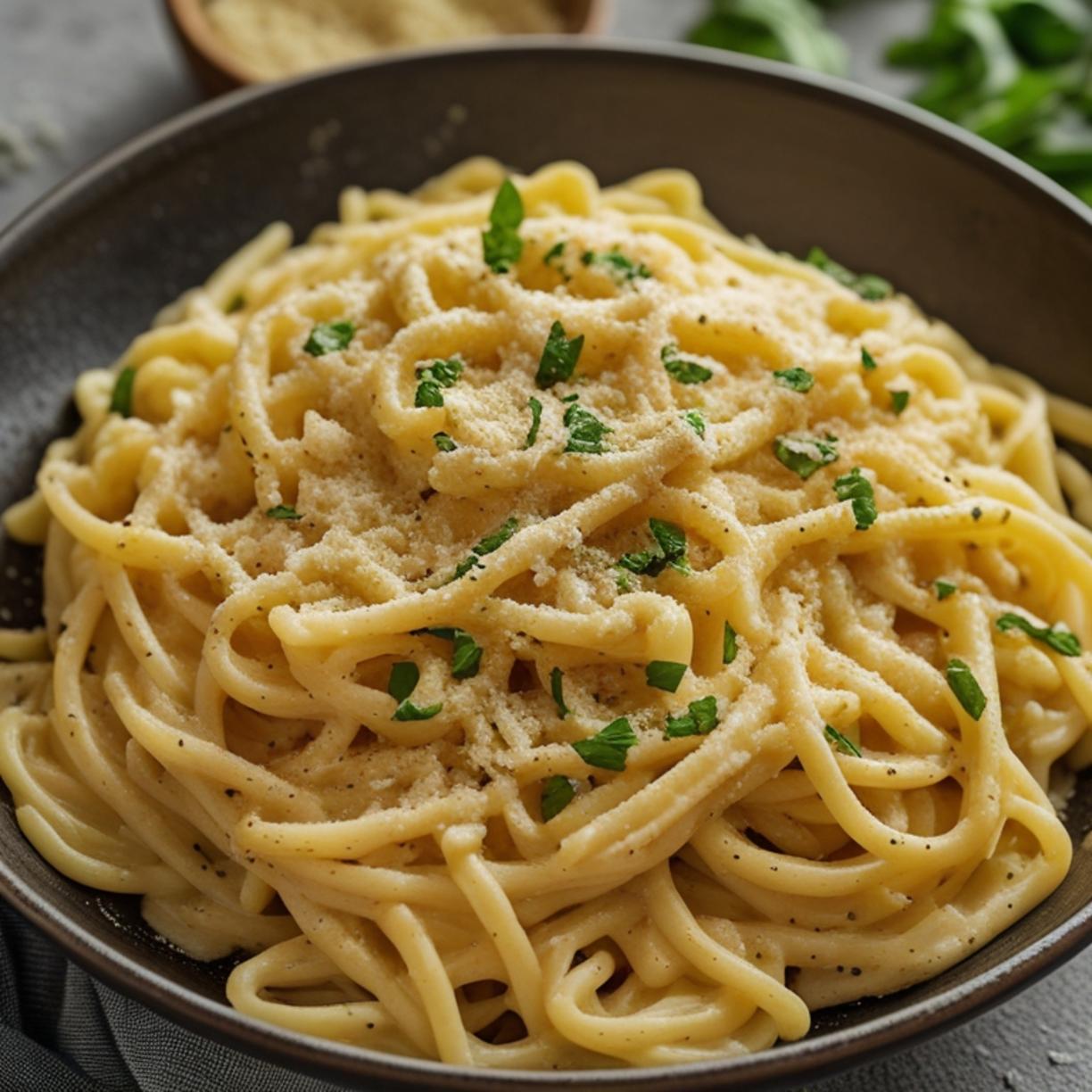
- Adding Cream: Authentic carbonara never contains cream. The creaminess comes solely from the emulsified eggs, cheese, and pasta water.
- Scrambling the Eggs: Adding the egg mixture to a piping hot skillet will cook it too fast, creating scrambled eggs. Always remove the pan from the heat first.
- Using Pre-Grated Cheese: Pre-grated cheese contains anti-caking agents that prevent it from melting smoothly into the sauce. Always grate your cheese fresh.
- Skipping the Pasta Water: The starchy pasta water is essential for creating a smooth, cohesive sauce that clings to the noodles. Don’t forget to reserve it!
- Letting it Sit: Carbonara is best eaten the second it’s made. The sauce will continue to thicken and can become gummy if left to sit.
Final Conclusion
Mastering spaghetti carbonara is a rewarding culinary milestone that showcases how restraint and technique can yield extraordinary results. This easy carbonara recipe proves that with quality ingredients and careful timing, you can create a restaurant-worthy dish at home. Remember the core principles from this carbonara sauce tutorial: no cream, reserve your pasta water, and emulsify off the heat. Now that you have the blueprint, grab your skillet and give it a try. Your perfect plate of carbonara awaits.
FAQs
What is the most important rule for making carbonara?
The cardinal rule is to avoid using cream. The creamy texture should come only from the emulsion of eggs, grated cheese, and starchy pasta water.
Can I make carbonara without guanciale or pancetta?
While it won’t be traditional, you can make a vegetarian version. The sauce base of eggs, cheese, and pepper is delicious on its own (similar to cacio e pepe), or you can add sautéed mushrooms for a savory, umami depth.
Why did my carbonara sauce turn into scrambled eggs?
This happens when the heat is too high. You must remove the skillet from the heat entirely before adding the egg and cheese mixture. The residual heat from the pasta and pan is sufficient to cook the eggs gently and create a silky sauce.
What can I use if I don’t have Pecorino Romano cheese?
Parmigiano-Reggiano (Parmesan) is the most common substitute. It has a nuttier, slightly less salty flavor than Pecorino. For best results, use a high-quality block and grate it yourself.
How can I fix a carbonara sauce that is too thick or clumpy?
This is easily fixed with your reserved pasta water. Simply add a splash (one tablespoon at a time) back into the pasta while tossing over very low heat until the sauce loosens to your desired consistency.