 Jacy
Jacy Craving the vibrant, umami-packed flavors of East Asian cuisine but short on time? You’re not alone. The beauty of home cooking is discovering that delicious meals don’t have to be complicated. Tonight, you can skip the takeout menu and create something extraordinary in your own kitchen. We’re sharing two phenomenal dishes that are perfect for weeknights but impressive enough for guests. These are the kind of easy asian recipes that will become your new favorites, proving that a satisfying, flavor-forward meal is always within reach. Get ready to whip up some truly memorable quick asian dinner recipes that will have everyone asking for seconds.
Table of Contents
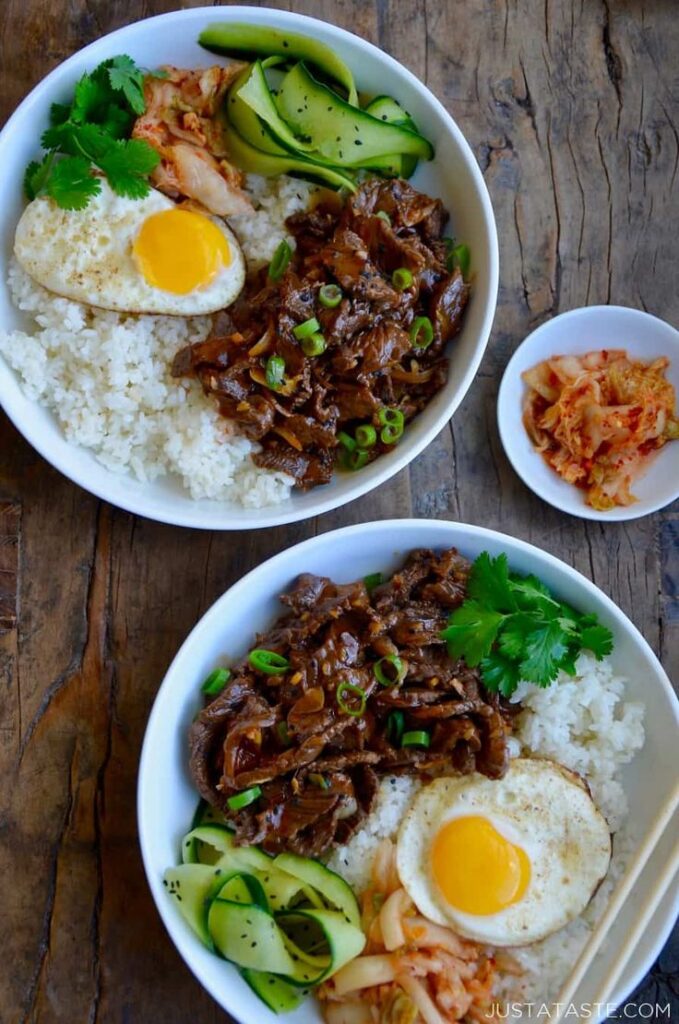
20-Minute Korean Beef Bulgogi Bowls

Ingredients
- 1 lb ground beef (90/10 lean works well)
- 1/3 cup low-sodium soy sauce
- 3 tablespoons brown sugar
- 1 tablespoon sesame oil
- 4 cloves garlic, minced
- 1 tablespoon freshly grated ginger
- 1/2 teaspoon black pepper
- 1/4 teaspoon crushed red pepper flakes (optional)
- 4 green onions, thinly sliced
- 1 tablespoon neutral oil (like avocado or canola)
- For serving: steamed white or brown rice, shredded carrots, sliced cucumber, sesame seeds
Step-by-Step Instructions
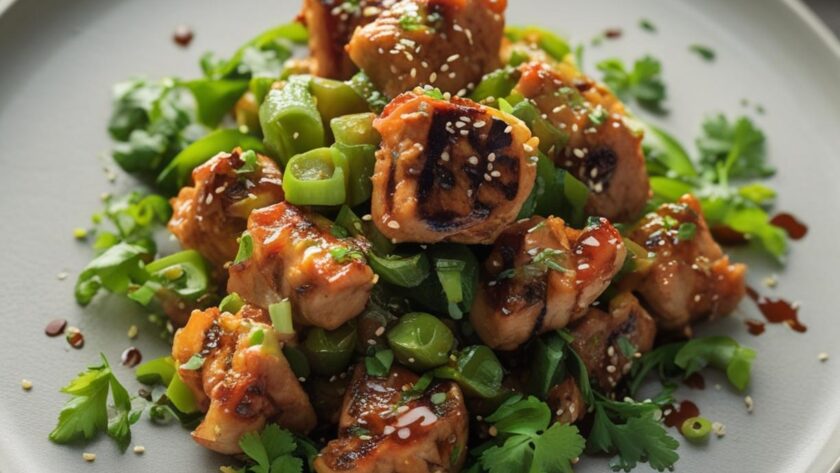
1. In a small bowl, whisk together the soy sauce, brown sugar, sesame oil, minced garlic, grated ginger, black pepper, and red pepper flakes. Set this bulgogi sauce aside.
2. Heat the neutral oil in a large skillet or wok over medium-high heat. Add the ground beef and cook, breaking it up with a spatula, until browned and cooked through, about 5-7 minutes. Drain any excess fat if desired.
3. Pour the prepared sauce over the cooked beef. Stir well to combine and let it simmer for 2-3 minutes until the sauce thickens slightly and coats the beef beautifully.
4. Remove from heat and stir in most of the sliced green onions, saving some for garnish. This is where your kitchen transforms with the aromas of one of the best easy asian recipes you’ll ever make.
5. Serve the saucy beef over warm rice, topped with your chosen fresh veggies, remaining green onions, and a sprinkle of sesame seeds. It’s the ultimate quick asian dinner recipes solution.
Tips & Variations
- Protein Swap: Use ground turkey, chicken, or crumbled firm tofu for a different twist.
- Vegetable Boost: Stir in a cup of frozen stir-fry vegetables (like peas, carrots, corn) with the beef in step 3.
- Spice Level: Adjust the red pepper flakes to your taste, or add a drizzle of sriracha at the end.
Serving & Storage
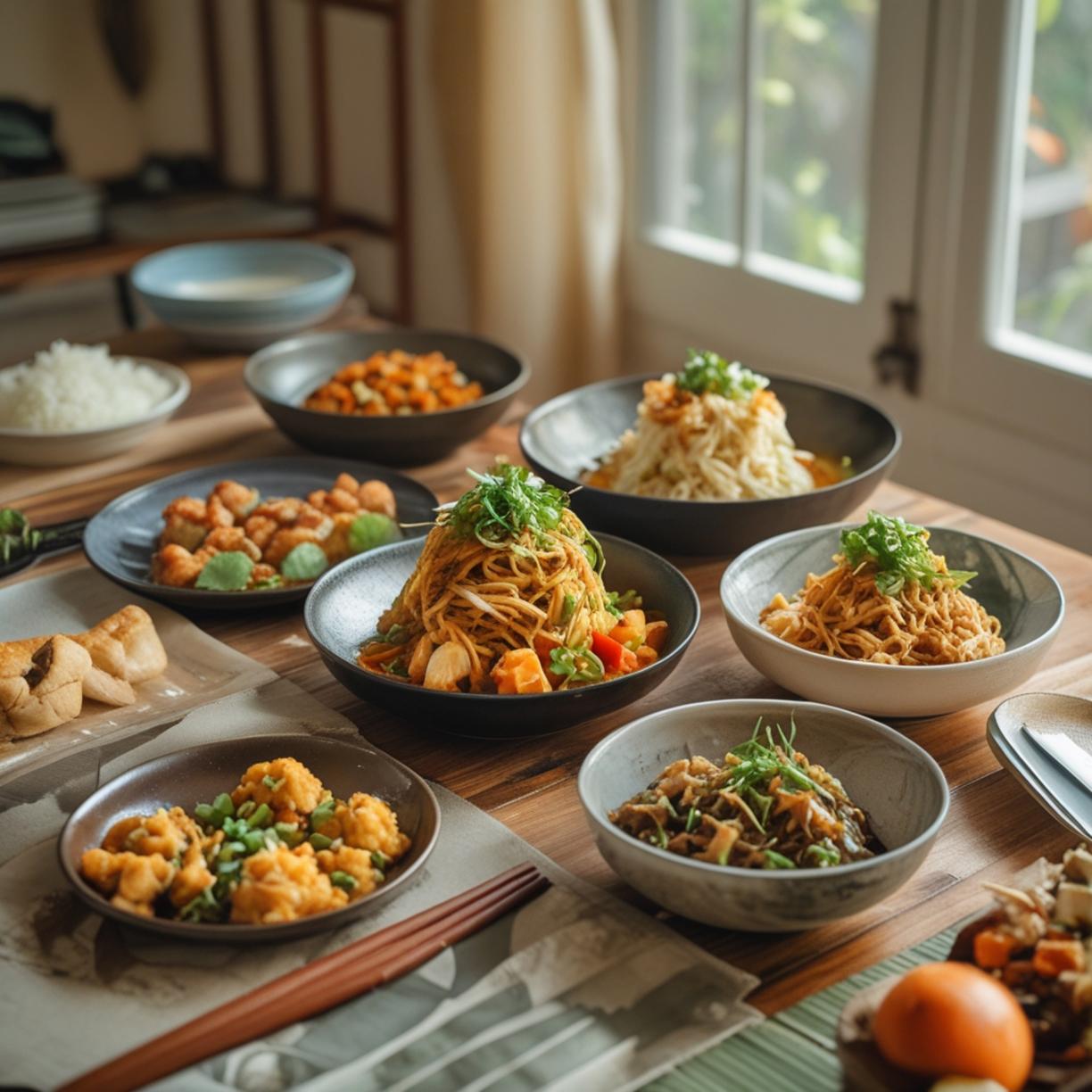
Serve these bowls family-style, allowing everyone to build their own with various toppings like kimchi, quick-pickled radishes, or a soft-boiled egg. Store leftovers in an airtight container in the refrigerator for up to 3 days. The beef reheats perfectly in the microwave or a skillet.
Nutritional Benefits
This dish is a great source of high-quality protein from the beef. Using lean beef and loading up on vegetable toppings adds fiber and essential vitamins, making it a balanced meal. The ginger and garlic offer anti-inflammatory properties.
Common Mistakes to Avoid
- Overcooking the Beef: Once you add the sauce, keep the simmer short to prevent the beef from becoming tough.
- Skipping the Aromatics: Fresh garlic and ginger are non-negotiable for authentic flavor. Don’t substitute with powders here.
- Not Tasting the Sauce: Before adding it to the beef, taste your sauce and adjust sweetness (brown sugar) or saltiness (soy sauce) to your preference.
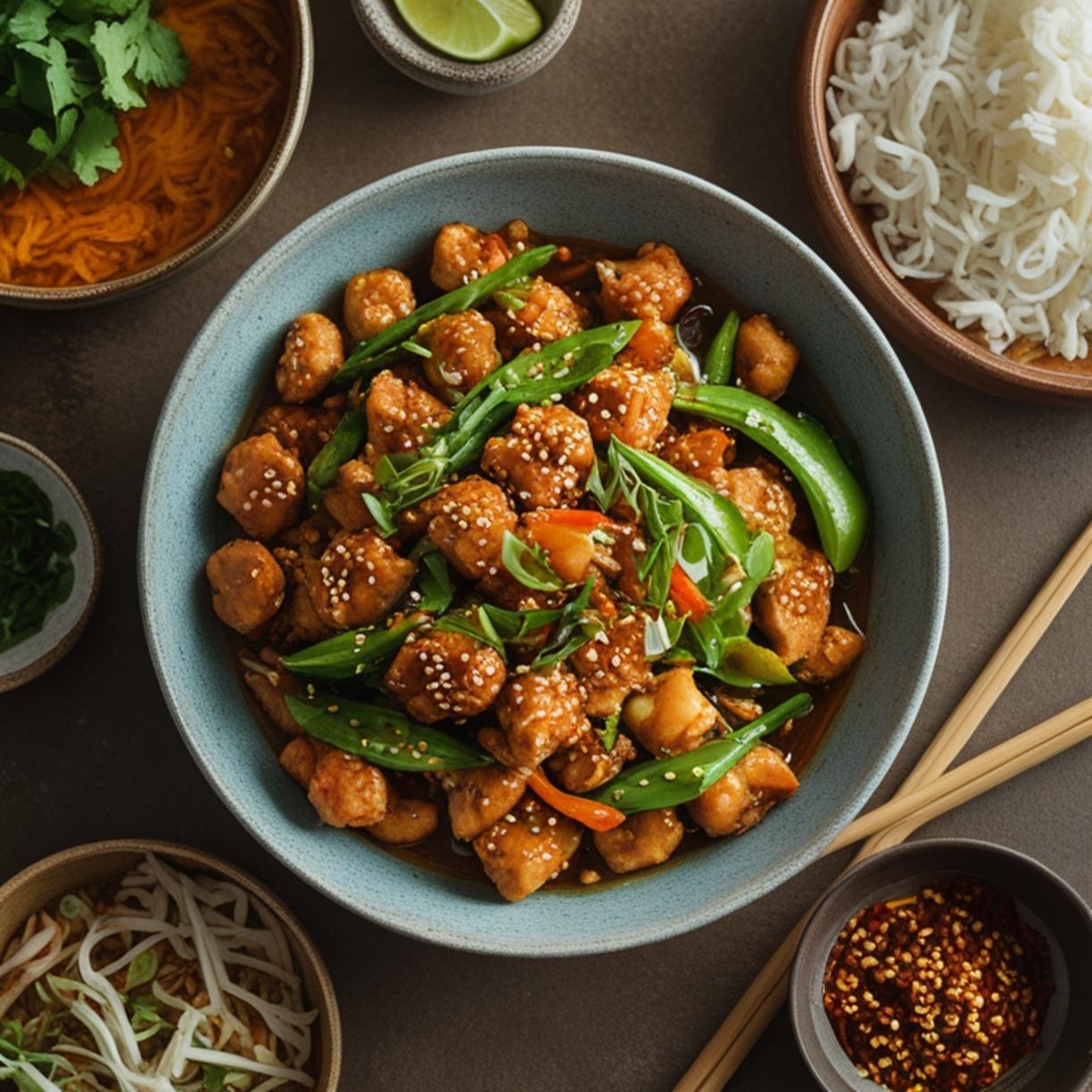
Recipe 2: Speedy Singapore Noodles
Ingredients
- 8 oz thin rice vermicelli noodles
- 2 tablespoons curry powder (mild or Madras style)
- 2 tablespoons neutral oil, divided
- 8 oz raw shrimp, peeled and deveined (or thinly sliced chicken breast)
- 1 red bell pepper, thinly sliced
- 1 cup shredded cabbage
- 1/2 cup matchstick carrots
- 3 cloves garlic, minced
- 1 tablespoon low-sodium soy sauce
- 1 tablespoon oyster sauce (or vegetarian oyster sauce)
- 1/2 teaspoon white pepper
- 4 green onions, cut into 1-inch pieces
- Salt, to taste
Step-by-Step Instructions
1. Place the rice noodles in a large bowl and cover with very hot water. Let them soak for 5-6 minutes, or until pliable but still slightly firm (al dente). Drain thoroughly and toss with 1 tablespoon of the curry powder. This infuses the noodles with color and flavor from the start.
2. Heat 1 tablespoon of oil in a large wok or skillet over high heat. Add the shrimp (or chicken) and stir-fry until just cooked through and opaque, about 2-3 minutes. Remove from the wok and set aside.
3. Add the remaining tablespoon of oil to the wok. Add the bell pepper, cabbage, carrots, and garlic. Stir-fry for 3-4 minutes until the vegetables are crisp-tender.
4. Push the vegetables to the side. Add the soaked, curry-dusted noodles to the center of the wok. Pour the soy sauce, oyster sauce, and remaining tablespoon of curry powder over the noodles. Toss everything together vigorously for 1-2 minutes until the noodles are heated through and coated in sauce.
5. Return the cooked shrimp to the wok. Add the green onions and white pepper. Toss everything together for one final minute. Taste and add salt only if needed. This vibrant, one-pan wonder is a spectacular example of easy asian recipes that deliver restaurant-quality results fast, making it a top-tier choice for quick asian dinner recipes.
Tips & Variations
- Vegetarian Version: Omit the shrimp, use fried tofu puffs, and add more vegetables like snow peas and baby corn.
- Noodle Choice: You can use thin rice sticks or even lo mein noodles if you prefer a chewier texture.
- Heat: Add a finely chopped Thai chili or a teaspoon of chili-garlic sauce with the vegetables for a spicy kick.
Serving & Storage
Serve these fragrant noodles hot, straight from the wok, with lime wedges on the side for a bright, fresh finish. Leftovers can be stored in the refrigerator for up to 2 days. Reheat in a skillet with a tiny splash of water to refresh the noodles.
Nutritional Benefits
Rice noodles are gluten-free and a good source of carbohydrates for energy. The shrimp provides lean protein and selenium, while the colorful vegetables pack a powerful punch of antioxidants and vitamin C.
Common Mistakes to Avoid
- Over-soaking the Noodles: This leads to mushy, clumpy noodles in the stir-fry. They should be firm when you drain them.
- Crowding the Wok: Cook the protein and vegetables in batches if your pan is small to ensure proper searing instead of steaming.
- Using Stale Curry Powder: Curry powder loses its potency over time. For the best flavor, ensure yours is fresh and fragrant.
Final Conclusion
With these two dynamic dishes in your repertoire, a world of flavor is just 20 minutes away. The Korean Beef Bulgogi Bowls offer deep, savory comfort, while the Speedy Singapore Noodles bring a lively, aromatic twist to your table. Both are designed to prove that incredible Asian-inspired meals are accessible any night of the week. We hope these become your go-to easy asian recipes for busy evenings. Don’t hesitate to make them your own with the provided variations. Now, grab your wok and get cooking—your new favorite quick asian dinner recipes await!
FAQs
Can I make these recipes gluten-free?
Absolutely! For the Bulgogi Bowls, use tamari or a certified gluten-free soy sauce. For the Singapore Noodles, ensure your rice noodles and oyster sauce (use a GF version) are gluten-free. Both recipes are easily adaptable.
What can I use if I don’t have oyster sauce?
A great substitute is hoisin sauce mixed with a touch of water to thin it slightly. You can also use more soy sauce with a pinch of sugar, though you’ll miss some of the depth.
How can I meal prep these recipes?
Both are excellent for meal prep. Cook the components and store them separately. The bulgogi beef and sauce keep well for 3-4 days. For the noodles, store the curry noodles, cooked protein, and fresh veggies in separate containers and combine when reheating to prevent sogginess.
My stir-fry noodles always stick to the pan. What am I doing wrong?
Ensure your wok or skillet is very hot before adding oil (this is called “hot wok, cold oil”). Also, don’t skimp on the oil, and have all your ingredients prepped and ready to go before you start cooking to maintain high heat.
Can I freeze the Korean beef bulgogi?
Yes, the cooked and sauced beef freezes very well for up to 2 months. Thaw overnight in the refrigerator and reheat gently in a skillet, adding a small splash of water if needed to loosen the sauce.