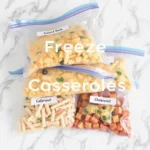
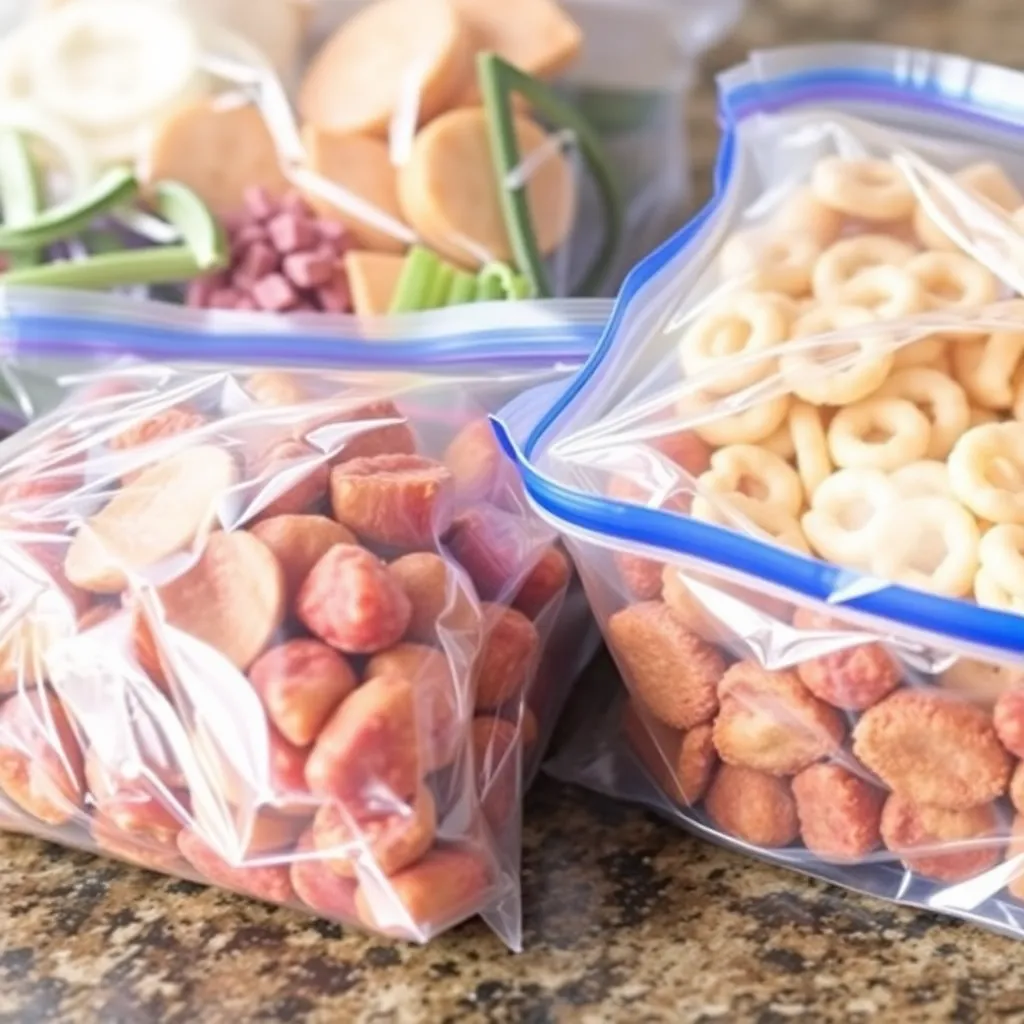

If you have ever pulled a mystery container from the back of the freezer and wondered whether it is still worth keeping, you are not alone. Freezer cooking sounds wonderfully practical until the labels fade, the dates get forgotten, and you are left trying to remember whether that casserole is from last month or last season. That is exactly the problem this guide solves.
The short version is that freezer meals usually stay safe much longer than most people think, but they do not stay at their best quality forever. That distinction matters. In a freezer kept at 0°F (-18°C) or below, food stays safe indefinitely, but texture, flavor, and moisture gradually decline over time. (U.S. Food and Drug Administration)
If you have been asking how long can you keep freezer meals, this is the practical answer: most homemade freezer meals are best used within a few months, depending on what they are made of and how well they were cooled, wrapped, labeled, and reheated. In this guide, I’ll walk through realistic storage times, what lasts best, what loses quality fastest, and how to make freezer meals easier to trust and easier to use.
Table of Contents
Why You’ll Love This Guide
Freezer meal advice can get confusing fast because people often mix up food safety with food quality. This guide keeps those two things separate so you can make better decisions in your own kitchen. (U.S. Food and Drug Administration)
Here is why this approach is useful:
- It saves money. You are less likely to throw out meals just because you are unsure about them.
- It reduces guesswork. You will know which meals are best within 2 to 3 months and which can reasonably stretch longer for quality.
- It helps beginners. You do not need a deep food safety background to use a freezer well.
- It makes meal prep more realistic. You can plan how much to freeze based on what will still taste good later.
This guide is especially helpful for busy families, beginner meal preppers, anyone stocking up before a hectic season, and home cooks trying to avoid both food waste and disappointing freezer dinners.
Ingredients Breakdown: What Lasts Best in the Freezer?
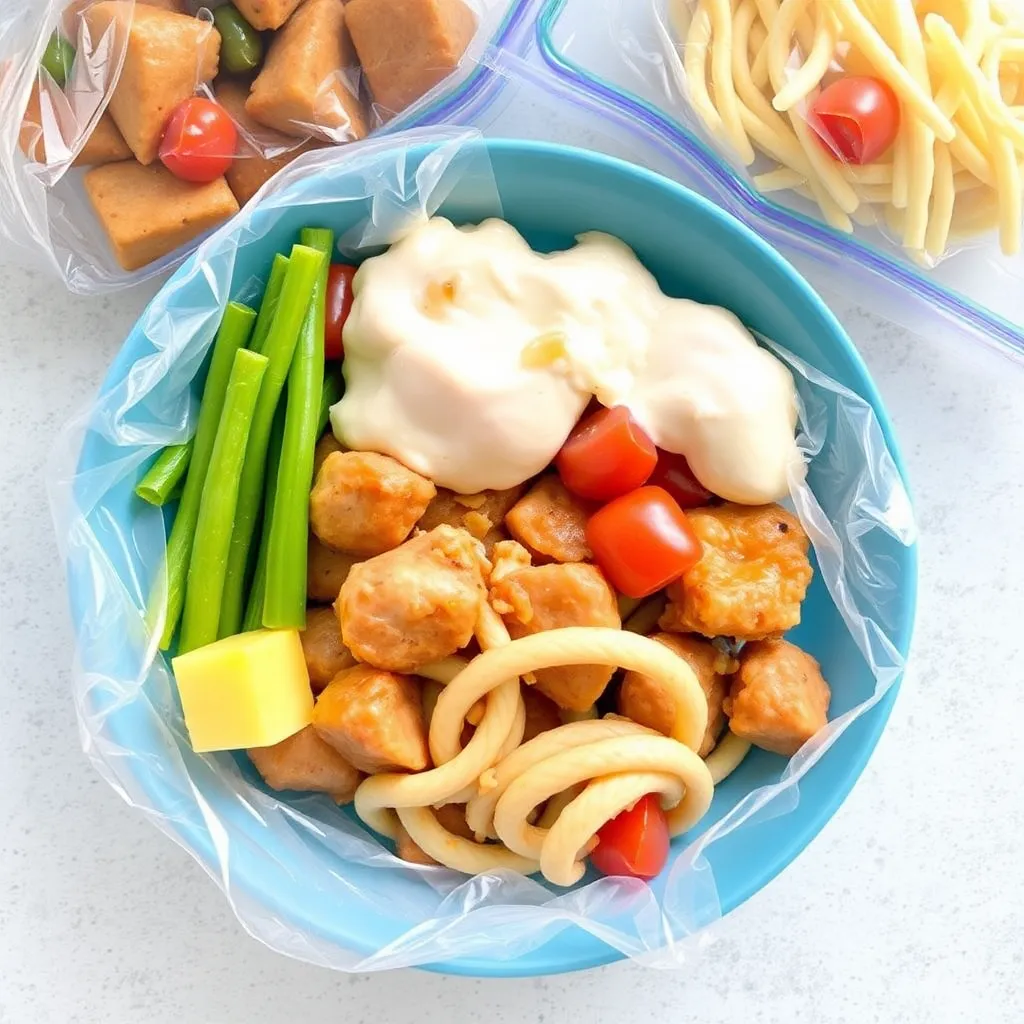
The “ingredients” that matter most here are not seasonings or sauces. They are the kinds of foods that hold their quality well in the freezer versus the ones that tend to decline faster.
Meals that usually freeze well
These freezer meals tend to hold up especially well for everyday home cooking:
- chili
- soups and stews
- cooked meat sauce
- enchiladas
- lasagna and baked pasta
- cooked shredded chicken
- taco meat
- bean-based meals
- casseroles with eggs
According to FoodSafety.gov, soups and stews are generally best used within 2 to 3 months for quality, and casseroles with eggs are also listed at 2 to 3 months after baking. (FoodSafety.gov)
Meals that are more delicate
Some foods stay safe in the freezer, but their texture can suffer more quickly:
- cream-heavy sauces
- cooked pasta that was already soft before freezing
- casseroles with lots of watery vegetables
- fried or crispy foods
- delicate dairy-based fillings
The FDA notes that frozen food can remain safe indefinitely at 0°F, but quality factors like tenderness, flavor, aroma, juiciness, and color can decline over time. (U.S. Food and Drug Administration)
Best substitution mindset
If you are building freezer meals from scratch, tomato-based sauces, brothy soups, cooked rice dishes, and fully cooked meat fillings are usually easier for beginners than fragile cream sauces or crisp-topped casseroles. That is not a formal government rule, but it is a practical cooking conclusion based on how freezing affects moisture and texture. The same USDA/FDA guidance that says frozen food stays safe indefinitely also explains that quality changes over time. (U.S. Food and Drug Administration)
So, How Long Do Freezer Meals Actually Last?
This is the part most people really want.
The food safety answer
If your freezer stays at 0°F (-18°C) or below, frozen foods remain safe indefinitely. Freezing stops bacteria from growing, though it does not destroy all bacteria. (U.S. Food and Drug Administration)
The real-life quality answer
For home cooks, “How long does it last?” usually means “How long will it still taste good?” That answer depends on the type of meal.
Here are practical quality windows based on USDA/FDA/FoodSafety.gov guidance:
- Cooked leftovers: generally best within 2 to 6 months, depending on the food. (FoodSafety.gov)
- Soups and stews: usually best within 2 to 3 months. (FoodSafety.gov)
- Casseroles with eggs: usually best within 2 to 3 months. (FoodSafety.gov)
- Cooked ham: typically 1 to 2 months for some forms, and up to 3 to 4 months for some cooked ham categories, depending on packaging and cut. (FoodSafety.gov)
- Cooked meat or poultry leftovers: generally 2 to 6 months. (FoodSafety.gov)
- Ground meat (raw): about 3 to 4 months. (FoodSafety.gov)
- Whole chicken or turkey (raw): up to 1 year; pieces, about 9 months. (FoodSafety.gov)
For most homemade freezer meals, a very practical rule is this:
Best rule of thumb for home cooks
Use most fully cooked homemade freezer meals within 2 to 3 months if you want the best texture and flavor. That lines up well with the official storage ranges for leftovers, soups, stews, casseroles, and many cooked dishes. (FoodSafety.gov)
Step-by-Step: How to Get the Most Life Out of Freezer Meals
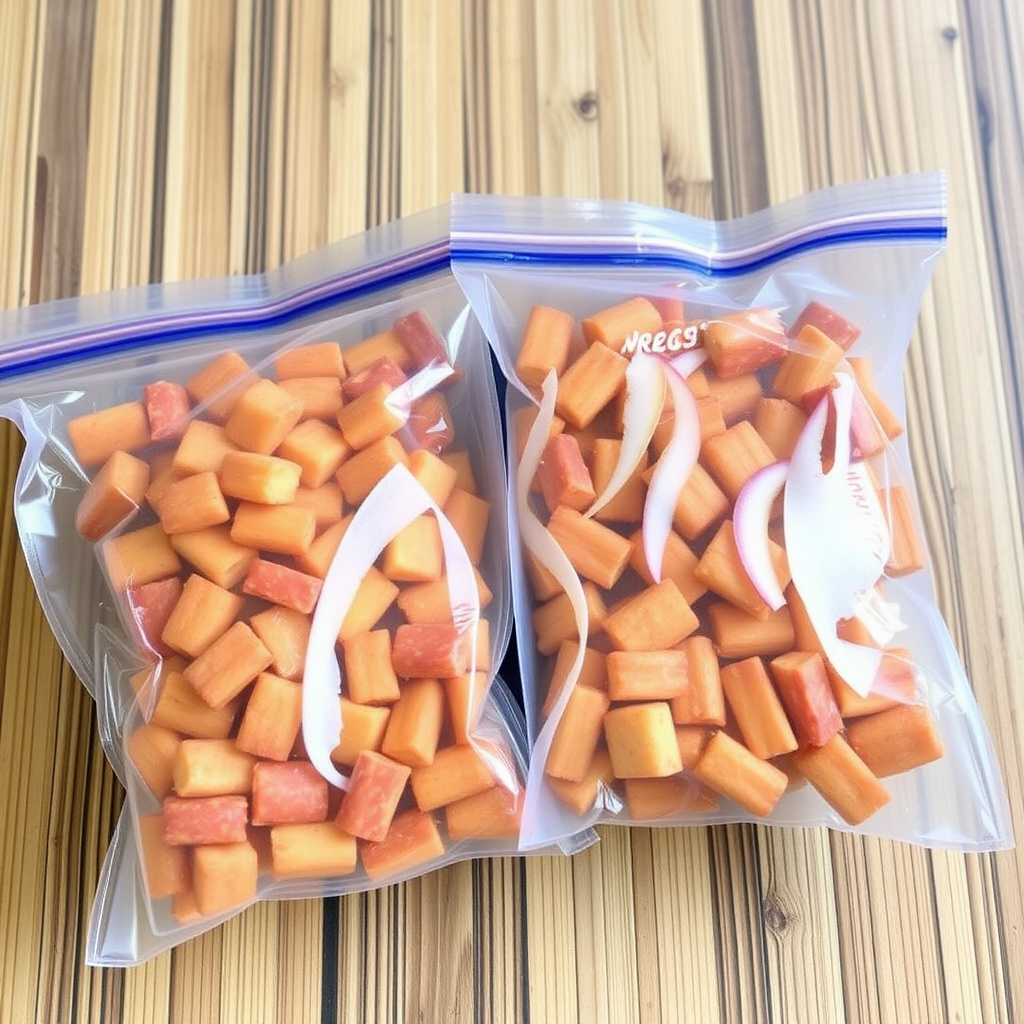
The freezer does not magically protect food from bad packaging or poor cooling. If you want meals to last well, the process matters.
1. Freeze food promptly
FDA says meat, poultry, eggs, seafood, and other perishables should be refrigerated or frozen within 2 hours of cooking or purchasing, or within 1 hour if the temperature outside is above 90°F. (U.S. Food and Drug Administration)
For leftovers, that means do not let a casserole or soup sit out most of the evening before freezing it.
2. Cool food the smart way
FDA recommends dividing large amounts of leftovers into shallow containers for quicker cooling. (U.S. Food and Drug Administration)
This is one of the most helpful habits for beginners because it does two things:
- it cools food faster and more safely
- it makes freezing and reheating easier later
3. Use airtight packaging
FDA notes that leftovers should be stored in tight containers, and USDA/FDA freezer charts emphasize airtight wrapping or overwrapping for longer freezer storage. (U.S. Food and Drug Administration)
Good options include:
- freezer-safe containers with tight lids
- heavy-duty freezer bags
- foil pans wrapped well
- containers plus an added layer of foil or wrap for longer storage
4. Label everything clearly
This is not just an organization tip. It is what turns a freezer from a guessing game into a real meal system.
Write down:
- meal name
- date frozen
- rough reheating instructions
- portion size, if helpful
5. Keep your freezer cold enough
FDA recommends using an appliance thermometer and keeping the freezer at 0°F or below. (U.S. Food and Drug Administration)
That temperature is what supports the “safe indefinitely” rule. If your freezer is warmer or fluctuates a lot, quality drops faster and safety becomes less predictable. (U.S. Food and Drug Administration)
6. Thaw safely
FDA says there are three safe ways to thaw food: in the refrigerator, in cold water, and in the microwave. Food thawed in cold water or the microwave should be cooked immediately. Never thaw on the countertop. (U.S. Food and Drug Administration)
For casseroles and full freezer meals, refrigerator thawing is usually the easiest and most even option.
Expert Tips for Best Results
These are the habits that make freezer meals actually useful instead of just technically stored.
Freeze meals in realistic portions
A giant tray of lasagna may sound efficient, but smaller portions often get used more consistently. This is a practical home-cook tip rather than a formal food-safety rule.
Smaller portions:
- cool faster
- thaw faster
- reheat more evenly
- create less waste if not everyone wants the same meal
Rotate your freezer
Try “first in, first out.” Put newer meals in the back and older meals in front.
This is especially helpful because official guidance gives a quality window, not a deadline where food suddenly becomes unsafe. The closer you stay to the earlier part of those windows, the better meals usually taste. (U.S. Food and Drug Administration)
Watch for freezer burn
FoodSafety.gov notes that frozen food can dry out over time, especially where air is trapped, which leads to freezer burn. (FoodSafety.gov)
Freezer-burned food is usually a quality problem rather than an immediate safety problem if it stayed properly frozen, but it often tastes dry, stale, or unpleasant. (U.S. Food and Drug Administration)
Cooking Mistakes to Avoid
Leaving cooked food out too long before freezing
Perishable foods should not sit out longer than 2 hours, or 1 hour above 90°F. (U.S. Food and Drug Administration)
Assuming “frozen forever” means “good forever”
Safety and quality are different. Food may remain safe indefinitely at 0°F, but quality will keep declining. (U.S. Food and Drug Administration)
Freezing food without enough protection
Loose lids and thin wrapping let air in, which speeds up freezer burn and drying. (FoodSafety.gov)
Forgetting reheating temperature
FDA says leftovers and casseroles should be reheated to 165°F, and sauces, soups, and gravy should be brought to a boil when reheating. (U.S. Food and Drug Administration)
Storage and Reheating Advice
Refrigerator timeline after thawing
FoodSafety.gov says many refrigerated leftovers should be used within 3 to 4 days. That includes categories like soups, stews, and baked casseroles after cooking. (FoodSafety.gov)
That means if you thaw a cooked freezer meal in the fridge, you still want to use it within a sensible leftover window, not leave it there all week.
Reheat fully
When reheating:
- casseroles and leftovers should reach 165°F
- soups and sauces should be heated thoroughly, ideally to a boil for soups and gravies (U.S. Food and Drug Administration)
If the texture seems off
A meal can be safe but still not enjoyable. If it smells stale, looks dried out from freezer burn, or has a badly degraded texture, it may simply be past its best-quality point even if it was continuously frozen.
Make-Ahead Tips
If you want freezer meals to be helpful, not just stored, keep your system simple.
A realistic approach:
- Freeze meals you already know your household likes
- Freeze in sizes you will actually use
- Put a “use first” note on older meals
- Aim to eat most homemade freezer meals within 2 to 3 months for best quality (FoodSafety.gov)
This is especially true for soups, stews, casseroles, and other cooked leftovers.
Variations and Customizations
Diet-friendly options
The question of how long freezer meals last is mostly about the meal type and packaging, not whether it is vegetarian, dairy-free, or gluten-free.
Still, some practical patterns help:
- Bean- and lentil-based meals often freeze very well.
- Tomato-based meals usually hold quality better than delicate cream sauces.
- Rice-based casseroles often freeze more predictably than fragile pasta dishes if the pasta was already soft.
These are practical kitchen patterns rather than official category-specific safety rules.
Ingredient swaps that help freezer quality
If you are building meals to freeze:
- choose thicker sauces over thin ones
- slightly undercook pasta before freezing
- keep crispy toppings separate until serving
- use cooked vegetables instead of very watery raw ones
These tips help quality, which is the main issue once food is safely frozen.
Serving Suggestions
Freezer meals are easiest to enjoy when you pair them with simple sides and do not overcomplicate dinner.
What to serve with freezer meals
- green salad
- garlic bread
- fruit
- roasted vegetables
- rice
- baked potatoes
- simple slaw
- toast or crackers for soups
Easy meal ideas
- Freezer chili with rice, avocado, and fruit
- Frozen casserole with salad and steamed green beans
- Soup from the freezer with toast and apple slices
- Meat sauce from the freezer over fresh pasta with a salad
FAQs
Is frozen food really safe forever?
If food stays continuously frozen at 0°F (-18°C) or below, it remains safe indefinitely. The catch is that quality declines over time, sometimes a lot. (U.S. Food and Drug Administration)
What is the best rule of thumb for homemade freezer meals?
For most cooked homemade freezer meals, 2 to 3 months is a very practical quality target. That lines up well with official guidance for soups, stews, casseroles, and many leftovers. (FoodSafety.gov)
How long do casseroles last in the freezer?
FoodSafety.gov lists casseroles with eggs at 2 to 3 months after baking for best quality. Other casseroles often fit well into that same general quality window depending on ingredients. (FoodSafety.gov)
How long do soups and stews last in the freezer?
FoodSafety.gov lists soups and stews at 2 to 3 months for best quality. (FoodSafety.gov)
Can I eat freezer meals after 6 months?
Possibly, yes, if they stayed continuously frozen at 0°F, because safety and quality are different. But many meals will taste noticeably worse by then, especially if the packaging was not airtight. (U.S. Food and Drug Administration)
How do I know a freezer meal is past its best?
Look for freezer burn, dried edges, odd texture, dull flavor, or poor smell after reheating. Those are usually quality issues, not automatic proof of danger, if the food stayed continuously frozen. (U.S. Food and Drug Administration)
What is the safest way to thaw freezer meals?
The refrigerator is usually the easiest and most reliable method. FDA also says cold water and microwave thawing are safe, but food thawed those ways should be cooked immediately. (U.S. Food and Drug Administration)
Nutritional Overview
Freezer storage time does not define whether a meal is “healthy” or not. Nutrition depends on the ingredients in the meal itself. A freezer chili made with beans and vegetables will be very different nutritionally from a creamy pasta bake or cheesy breakfast casserole.
What freezer storage does affect most is:
- texture
- moisture
- flavor
- overall eating quality over time (U.S. Food and Drug Administration)
That is why practical freezer cooking is less about chasing the longest possible storage and more about freezing foods in a way that keeps them appealing enough to actually eat.
Final Thoughts
The most honest answer to how long can you keep freezer meals is this: much longer for safety than for quality. If your freezer stays at 0°F, food remains safe indefinitely, but most homemade freezer meals are at their best within about 2 to 3 months, with some categories stretching a bit longer depending on what they are. (U.S. Food and Drug Administration)
If you want freezer meals that are actually enjoyable, the winning strategy is simple:
- cool them promptly
- package them tightly
- label them clearly
- rotate them regularly
- use them while they still taste like something you want for dinner
That approach keeps the freezer helpful instead of mysterious. And if you want, I can turn this into a more WordPress-ready version with a meta description, SEO title, slug, and FAQ schema-friendly formatting.