
 Jacy
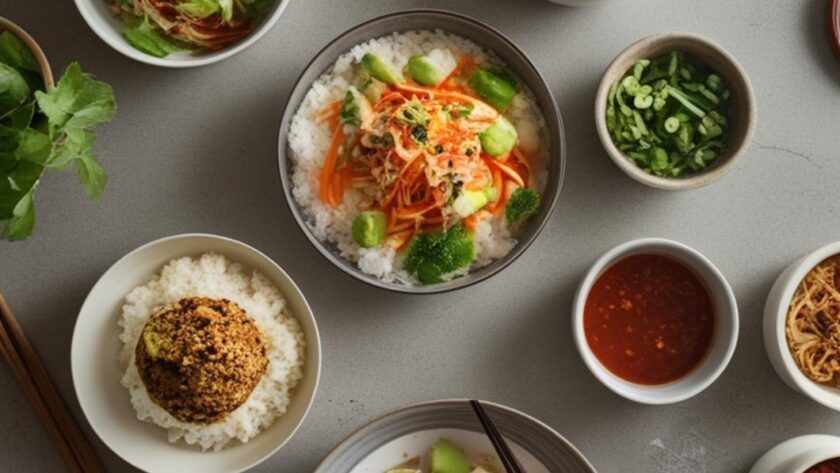
Jacy Craving the bold, umami-rich flavors of takeout but short on time? You’re in the right place. Mastering authentic-tasting dishes at home is simpler than you think, and it all starts with a few key techniques and pantry staples. This guide is dedicated to unlocking the secrets of easy chinese food recipes that deliver on flavor without demanding hours in the kitchen. Perfect for busy weeknights, our approach focuses on quick chinese cooking methods that streamline the process. Let’s dive into a classic favorite that’s faster to make than the time it takes for delivery to arrive.
Table of Contents
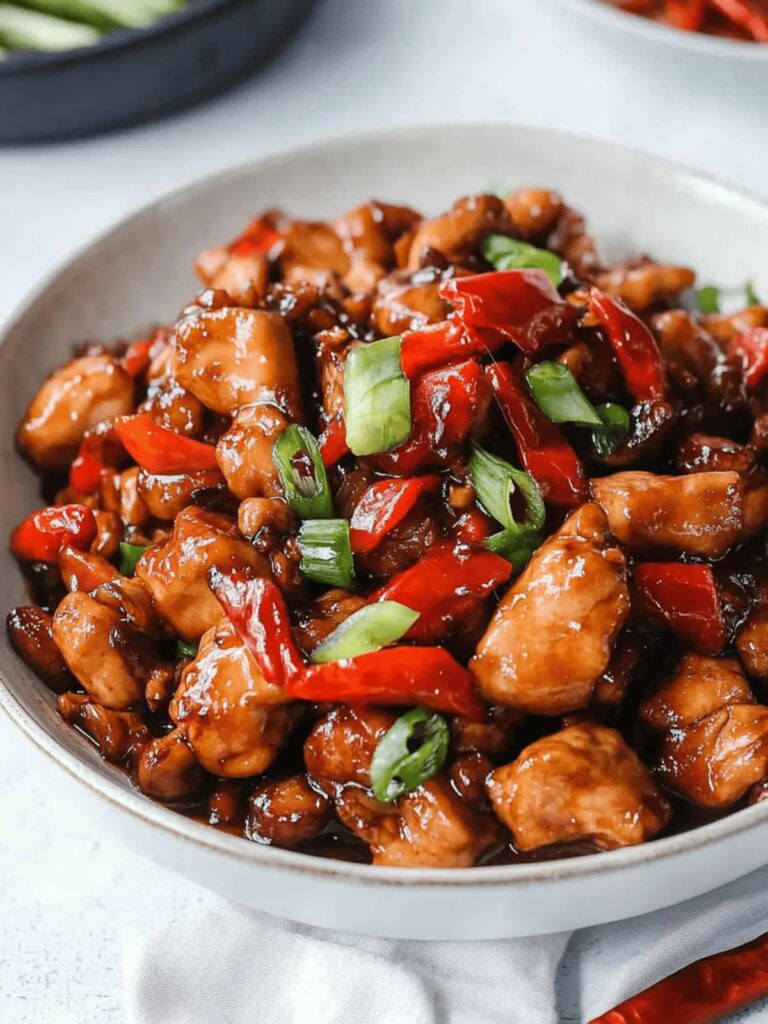
Kung Pao Chicken
Ingredients
- 1 lb boneless, skinless chicken breast or thighs, cut into 1-inch cubes
- 2 tablespoons soy sauce
- 1 tablespoon cornstarch
- 1 tablespoon Chinese rice wine or dry sherry
- 3 tablespoons vegetable oil, divided
- 6-8 dried red chilies
- 1 teaspoon Sichuan peppercorns (optional)
- 3 cloves garlic, minced
- 1-inch piece ginger, minced
- 1/2 cup unsalted roasted peanuts
- 4 green onions, cut into 1-inch pieces
For the Sauce:
- 2 tablespoons soy sauce
- 1 tablespoon black Chinese vinegar or rice vinegar
- 1 tablespoon hoisin sauce
- 1 teaspoon sesame oil
- 1 teaspoon sugar
- 1 tablespoon water
- 1 teaspoon cornstarch
Step-by-Step Instructions
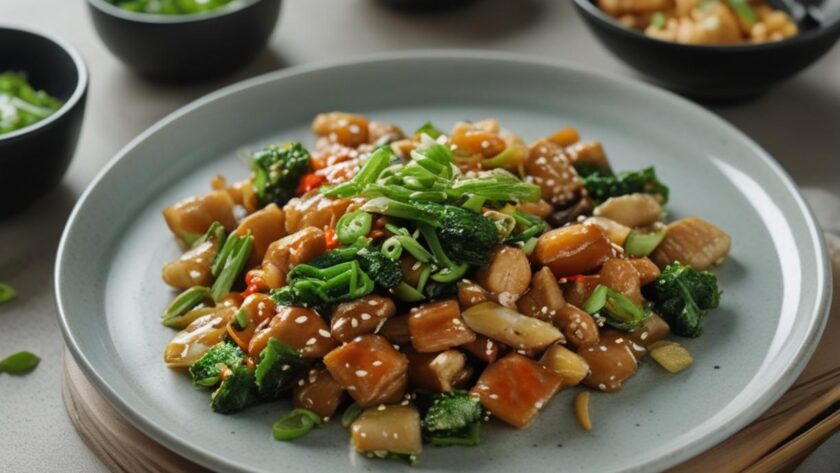
1. In a medium bowl, combine the cubed chicken with 2 tablespoons soy sauce, 1 tablespoon cornstarch, and the rice wine. Mix well and let marinate for 15 minutes.
2. Whisk together all the ingredients for the sauce in a small bowl and set aside.
3. Heat 2 tablespoons of vegetable oil in a wok or large skillet over high heat. Add the marinated chicken and stir-fry until cooked through and slightly browned, about 4-5 minutes. Remove the chicken from the wok and set aside.
4. Add the remaining 1 tablespoon of oil to the wok. Add the dried chilies and Sichuan peppercorns (if using). Stir-fry for about 30 seconds until fragrant, being careful not to burn them.
5. Add the minced garlic and ginger, stir-frying for another 30 seconds.
6. Return the cooked chicken to the wok. Give the prepared sauce a quick stir (as the cornstarch may have settled) and pour it over the chicken. Stir constantly until the sauce thickens and coats the chicken beautifully, about 1-2 minutes. This is where quick chinese cooking shines—high heat creates that perfect glossy coating in minutes.
7. Turn off the heat. Stir in the green onions and peanuts until just combined.
8. Serve immediately over steamed rice. This dish is a perfect example of easy chinese food recipes that pack a serious punch of flavor.
Tips & Variations
- Protein Swap: Try this recipe with shrimp, tofu, or even cauliflower for a vegetarian version.
- Heat Level: Adjust the number of dried chilies to control the spiciness. For less heat, you can snip them open and remove the seeds before cooking.
- Nut-Free: Substitute the peanuts with cashews or leave them out entirely.
Serving & Storage

Serve this Kung Pao Chicken hot over a bed of fluffy white or brown rice. For a complete meal, add a simple side like steamed broccoli or a cucumber salad. Leftovers can be stored in an airtight container in the refrigerator for up to 3 days. Reheat gently in a skillet or microwave, adding a tiny splash of water if the sauce seems too thick.
Nutritional Benefits

This dish is a great source of lean protein from the chicken. Peanuts provide healthy fats and a small amount of fiber, while the garlic and ginger offer anti-inflammatory and digestive benefits. By controlling the oil and sodium at home, you make a healthier version than typical takeout.
Common Mistakes to Avoid

- Overcrowding the Wok: Adding too much chicken at once will steam it instead of searing it. Cook in batches if necessary.
- Burnt Aromatics: Garlic and ginger cook very quickly. Have your next ingredients ready to go to prevent them from burning and turning bitter.
- Skipping the Cornstarch Slurry: The cornstarch in the sauce is non-negotiable for achieving the classic, velvety texture. Don’t substitute it.
- Using Raw Peanuts: Always use pre-roasted, unsalted peanuts. Raw peanuts won’t have the right flavor or crunch.
Final Conclusion
As you can see, creating vibrant, restaurant-quality Chinese dishes in your own kitchen is entirely achievable. This Kung Pao Chicken recipe proves that with a bit of prep and high-heat cooking, you can master easy chinese food recipes any night of the week. The principles of quick chinese cooking—marinating for flavor, having your mise en place ready, and stir-frying over high heat—are the keys to success. We encourage you to try this recipe, tweak it to your taste, and discover the joy of homemade takeout. Happy cooking!
FAQs
Can I make Kung Pao Chicken ahead of time?
You can prepare the sauce and marinate the chicken up to a day in advance. Store them separately in the fridge. For the best texture, complete the quick stir-frying process just before serving.
What can I use if I don’t have a wok?
A large, heavy-bottomed skillet or cast-iron pan is an excellent substitute. The key is to use a pan that can get very hot and has enough surface area to allow the ingredients to sear rather than steam.
Is there a substitute for Sichuan peppercorns?
If you can’t find them, you can simply omit them. They provide a unique tingling numbness (ma la) but are not critical for the dish’s core flavor. A tiny pinch of crushed red pepper flakes can add a different kind of heat.
How do I make this dish gluten-free?
Use tamari or a certified gluten-free soy sauce in place of regular soy sauce, and ensure your hoisin sauce is a gluten-free brand.
My sauce turned out too thick. How can I fix it?
If your sauce becomes too thick or pasty, simply stir in a tablespoon or two of water or chicken broth until it reaches your desired consistency.