
 Jacy
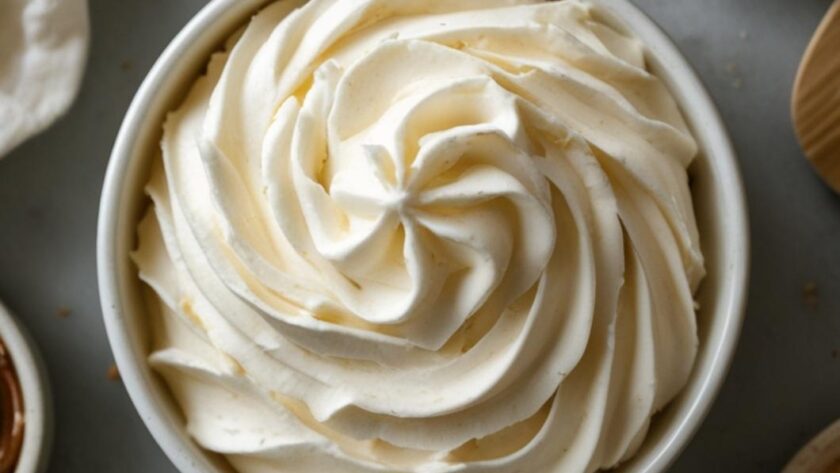
Jacy There’s something magical about homemade frosting. It transforms a simple cake or batch of cupcakes into a celebratory centerpiece with its rich flavor and silky texture. Yet, many bakers avoid making it from scratch, assuming it’s a complex, finicky process.
Let me assure you, it doesn’t have to be. This guide will walk you through a foolproof easy frosting recipe that delivers professional-quality results every time. Forget the tubs from the store; once you taste the difference of true homemade frosting, you’ll never go back. Whether you’re a novice baker or a seasoned pro, mastering this fundamental skill will elevate all your sweet creations.
Table of Contents
Classic Vanilla Buttercream Frosting
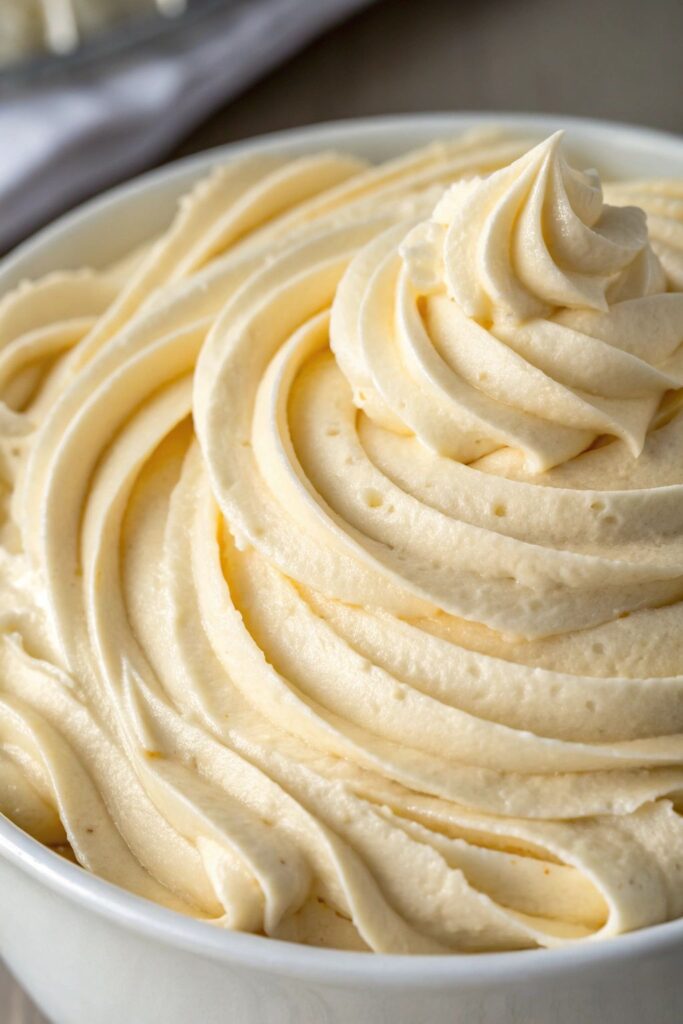
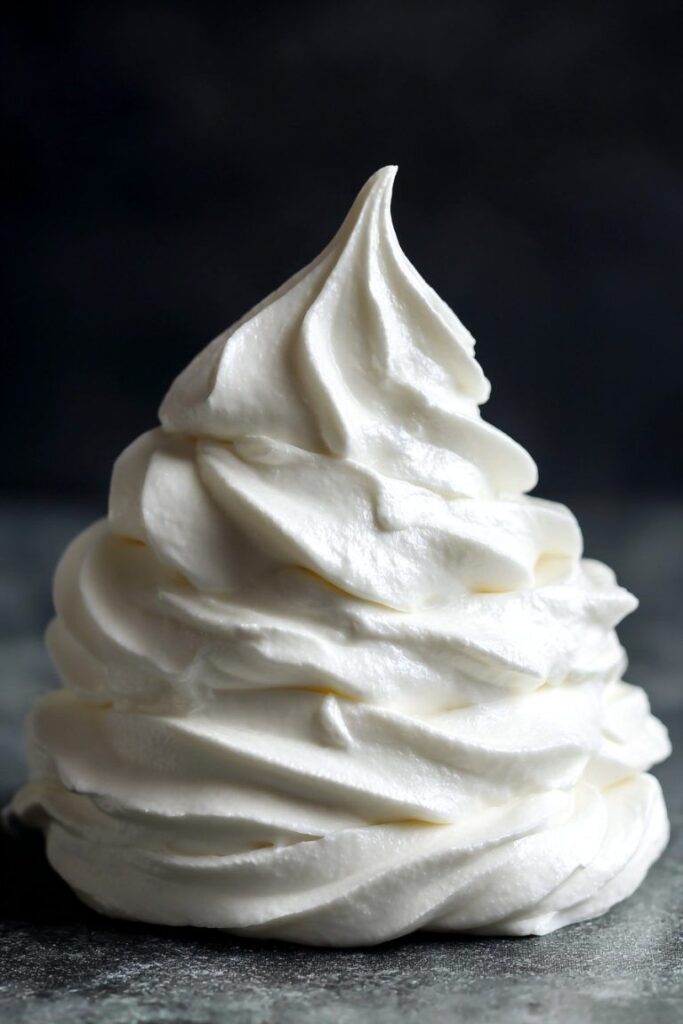
This is the quintessential frosting, beloved for its versatility and pure, sweet flavor. It pipes beautifully, holds its shape, and is the perfect blank canvas for countless flavor variations.
Ingredients
- 1 cup (2 sticks) unsalted butter, softened to room temperature
- 4 cups (about 1 lb) confectioners’ sugar, sifted
- ¼ cup whole milk or heavy cream
- 2 teaspoons pure vanilla extract
- ¼ teaspoon fine salt
Step-by-Step Instructions
1. In a large mixing bowl, beat the softened butter on medium-high speed with an electric mixer until it is completely smooth, creamy, and pale in color, about 3-4 minutes.
2. With the mixer on low, gradually add the sifted confectioners’ sugar, one cup at a time, allowing it to incorporate fully before adding the next. Scrape down the sides of the bowl as needed.
3. Add the vanilla extract and salt. Pour in the milk or heavy cream.
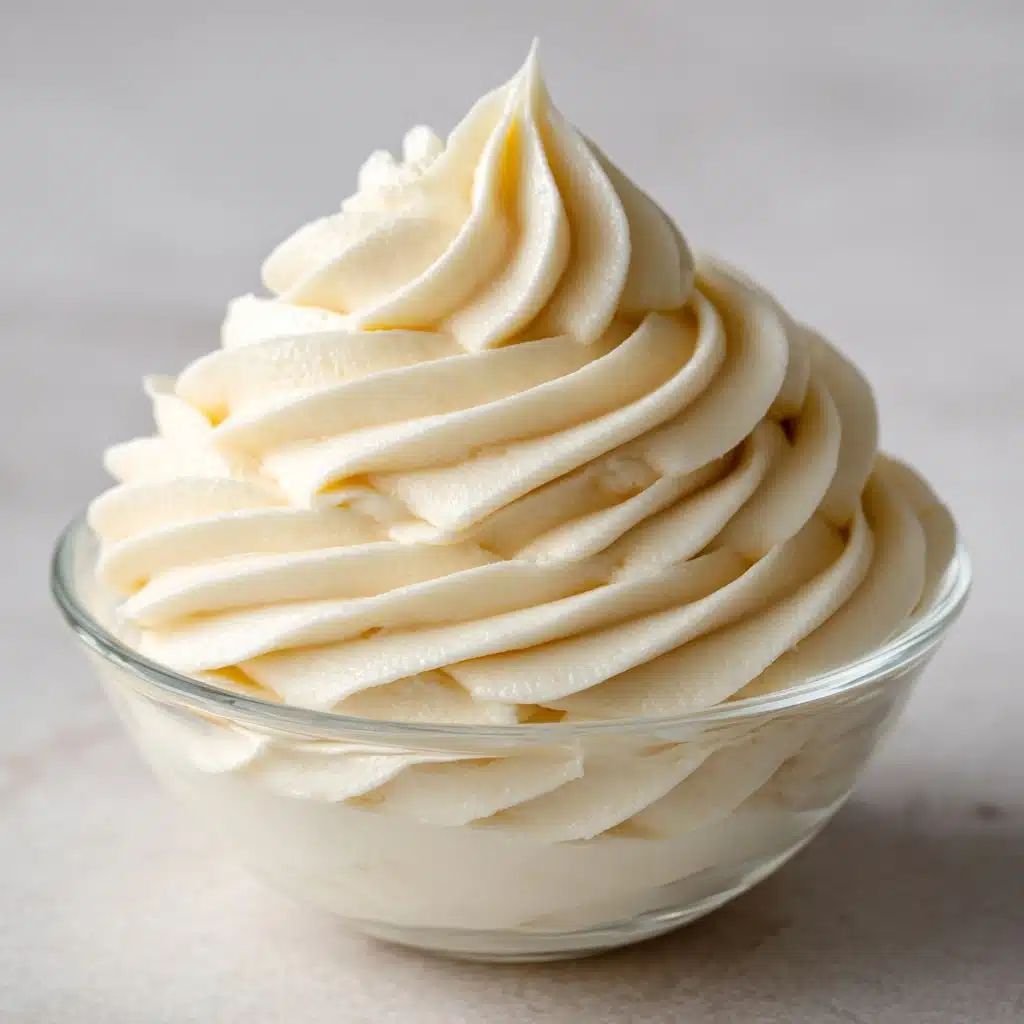
4. Increase the mixer speed to medium-high and beat the frosting for a full 4-5 minutes until it is incredibly light, fluffy, and holds stiff peaks. This whipping time is the secret to a perfect consistency and is the key step in this easy frosting recipe. You will notice the color lighten and the volume increase significantly.
5. Your luxurious homemade frosting is now ready to use. If it feels too soft for piping, chill it in the refrigerator for 15-20 minutes.
Tips & Variations
- Chocolate Buttercream: Add ¾ cup of unsweetened cocoa powder (sifted with the confectioners’ sugar) and an extra tablespoon or two of milk.
- Citrus Zest: Add 1 tablespoon of lemon, lime, or orange zest for a bright, fruity twist.
- Coffee Frosting: Dissolve 1 tablespoon of instant espresso powder into the milk or cream before adding.
- For a Whiter Frosting: Use clear vanilla extract and replace the butter with an equal amount of vegetable shortening (or a 50/50 blend).
Serving & Storage
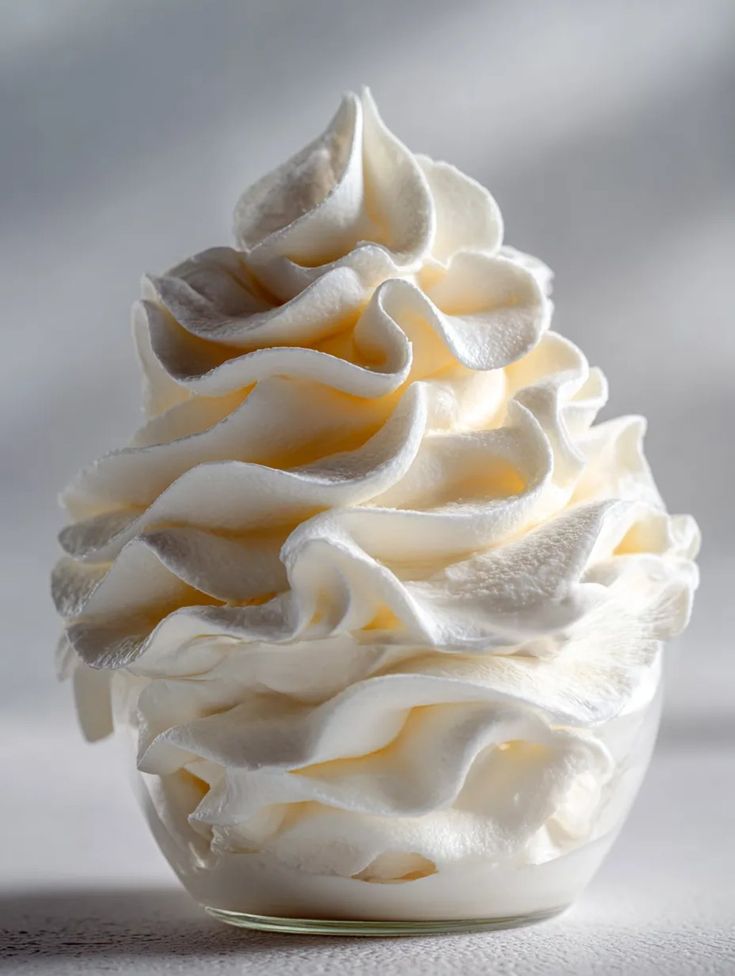
This frosting is perfect for piping swirls and borders on cupcakes, covering layer cakes, or filling macarons. It can be used immediately or stored. For storage, place it in an airtight container. It will keep at room temperature for up to 2 days, or in the refrigerator for up to 2 weeks. Before re-using chilled frosting, let it come to room temperature and re-whip it briefly to restore its fluffy texture.
Nutritional Benefits
While frosting is an indulgence, making it at home allows you to control the quality of ingredients. Using real butter provides vitamins A and E, and skipping artificial preservatives and high-fructose corn syrup found in many store-bought versions makes this a cleaner treat.
Common Mistakes to Avoid
- Butter is Too Cold or Too Warm: Butter should be soft but still cool to the touch. If it’s melted, the frosting will be greasy; if it’s cold, it won’t whip properly.
- Not Sifting the Sugar: Skipping this step leads to a lumpy, gritty frosting. Always sift your confectioners’ sugar.
- Undermixing: Not whipping the frosting long enough is the most common error. The full 4-5 minutes of beating after adding the liquid is non-negotiable for achieving that light, airy texture.
- Adding Liquid All at Once: Add the milk gradually to control the final consistency. You may not need the full amount if you prefer a stiffer frosting for intricate piping.
Final Conclusion
Mastering a perfect buttercream is a foundational baking skill that opens up a world of decorating possibilities. This reliable easy frosting recipe proves that with just a few simple ingredients and the right technique, you can create something far superior to anything you can buy. I encourage you to try this homemade frosting on your next baking project. Play with the flavor variations, enjoy the creative process, and most importantly, share the delicious results with friends and family. Happy baking!
FAQs
What is the best butter for homemade frosting?
Always use unsalted, high-fat content butter. Unsalted butter allows you to control the salt level precisely, and a higher fat content (like European-style butters) yields a richer flavor and more stable emulsion.
Why is my frosting runny? How can I fix it?
Runny frosting is usually caused by butter that is too warm or adding too much liquid. To fix it, chill the frosting in the refrigerator for 20-30 minutes, then re-whip it. You can also gradually add a bit more sifted confectioners’ sugar to thicken it back up.
Can I make this frosting ahead of time?
Absolutely! This frosting stores wonderfully. Keep it in an airtight container in the fridge for up to two weeks, or freeze it for up to 3 months. Thaw overnight in the refrigerator and bring to room temperature before re-whipping to restore its fluffy texture.
How do I get my frosting really white?
For a pure white frosting, use all-vegetable shortening instead of butter and clear vanilla extract. Be aware that this will change the flavor profile to be less buttery and more neutral.
My frosting tastes too sweet. What can I do?
Buttercream is inherently sweet, but you can balance it. Adding a pinch more salt or a teaspoon of lemon juice can counteract the sweetness. For chocolate buttercream, using a darker cocoa powder also helps create a more bittersweet flavor.