
 Jacy
Jacy There’s something magical about biting into a perfectly 3 Ingredient Potsticker Sauce, but let’s be honest – the sauce makes or breaks the entire experience. If you’ve ever felt overwhelmed by complicated dipping sauce recipes requiring a dozen ingredients, you’re going to love what I’m sharing today. This 3 ingredient potsticker sauce is about to revolutionize your dumpling game, and I couldn’t be more excited to walk you through every delicious detail.
Whether you’re hosting a dim sum night at home, meal prepping for the week, or simply craving those addictive frozen potstickers from your freezer, having the perfect sauce ready is essential. This potsticker dipping sauce recipe combines the perfect balance of salty, tangy, and slightly sweet flavors that complement any style of dumpling. Trust me, once you try this incredibly simple yet flavor-packed sauce, you’ll never reach for those lackluster store-bought packets again.
Table of Contents
3 Ingredient Potsticker Sauce

Ingredients
– 3 tablespoons soy sauce (low-sodium works great if you’re watching salt intake)
– 1 tablespoon rice vinegar (unseasoned preferred)
– 1 teaspoon sesame oil (toasted for maximum flavor)
Step-by-Step Instructions
Step 1: Gather Your Ingredients
Before you begin, make sure all three ingredients are at room temperature. This helps them blend seamlessly and ensures the flavors meld together beautifully.
Step 2: Combine the Soy Sauce Base
Pour the soy sauce into a small mixing bowl or directly into your serving dish. The soy sauce provides the savory umami foundation that makes this 3 ingredient potsticker sauce so irresistible.
Step 3: Add the Rice Vinegar
Measure out your rice vinegar and add it to the soy sauce. The vinegar cuts through the richness and adds that bright, tangy note that makes your taste buds sing. Stir gently to combine.
Step 4: Finish with Sesame Oil
Drizzle in the toasted sesame oil and give everything a final stir. The sesame oil adds a nutty depth that elevates this potsticker dipping sauce recipe from simple to spectacular.
Step 5: Taste and Adjust
Give your sauce a taste. If you prefer more tang, add a splash more vinegar. Want it richer? Another drop of sesame oil does wonders. This flexibility is what makes homemade sauces so superior.
Step 6: Let It Rest
Allow the sauce to sit for 5-10 minutes before serving. This resting period lets the flavors marry together for the best possible taste experience.
Tips & Variations
– Add Heat: Stir in ½ teaspoon of chili oil or a pinch of red pepper flakes for a spicy kick
– Garlic Lover’s Version: Mince one small garlic clove and let it infuse in the sauce
– Sweeter Profile: Add ½ teaspoon of honey or brown sugar for a sweeter finish
– Ginger Twist: Grate in fresh ginger for an aromatic upgrade
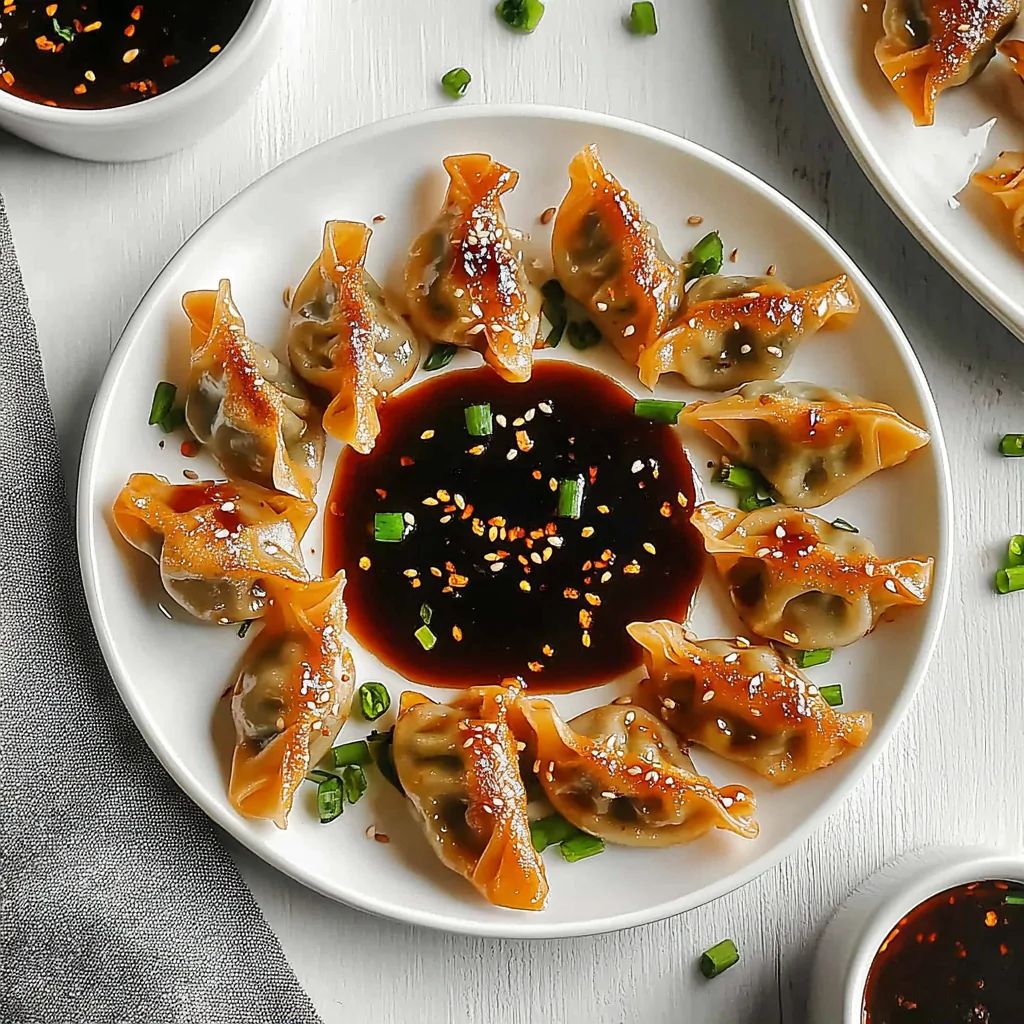
– Green Onion Garnish: Sprinkle thinly sliced green onions on top for color and freshness
Serving & Storage
Serving Suggestions:
Pour your sauce into small individual dipping bowls for an authentic dim sum experience. This sauce pairs beautifully with pork potstickers, chicken dumplings, vegetable gyoza, and even spring rolls. For an impressive presentation, garnish with sesame seeds or finely chopped scallions.
Storage Tips:
Store any leftover sauce in an airtight container in the refrigerator for up to two weeks. The sauce actually improves as it sits, allowing the flavors to deepen and intensify. Simply give it a good stir before using since the sesame oil may separate slightly.
Meal Prep Hack:
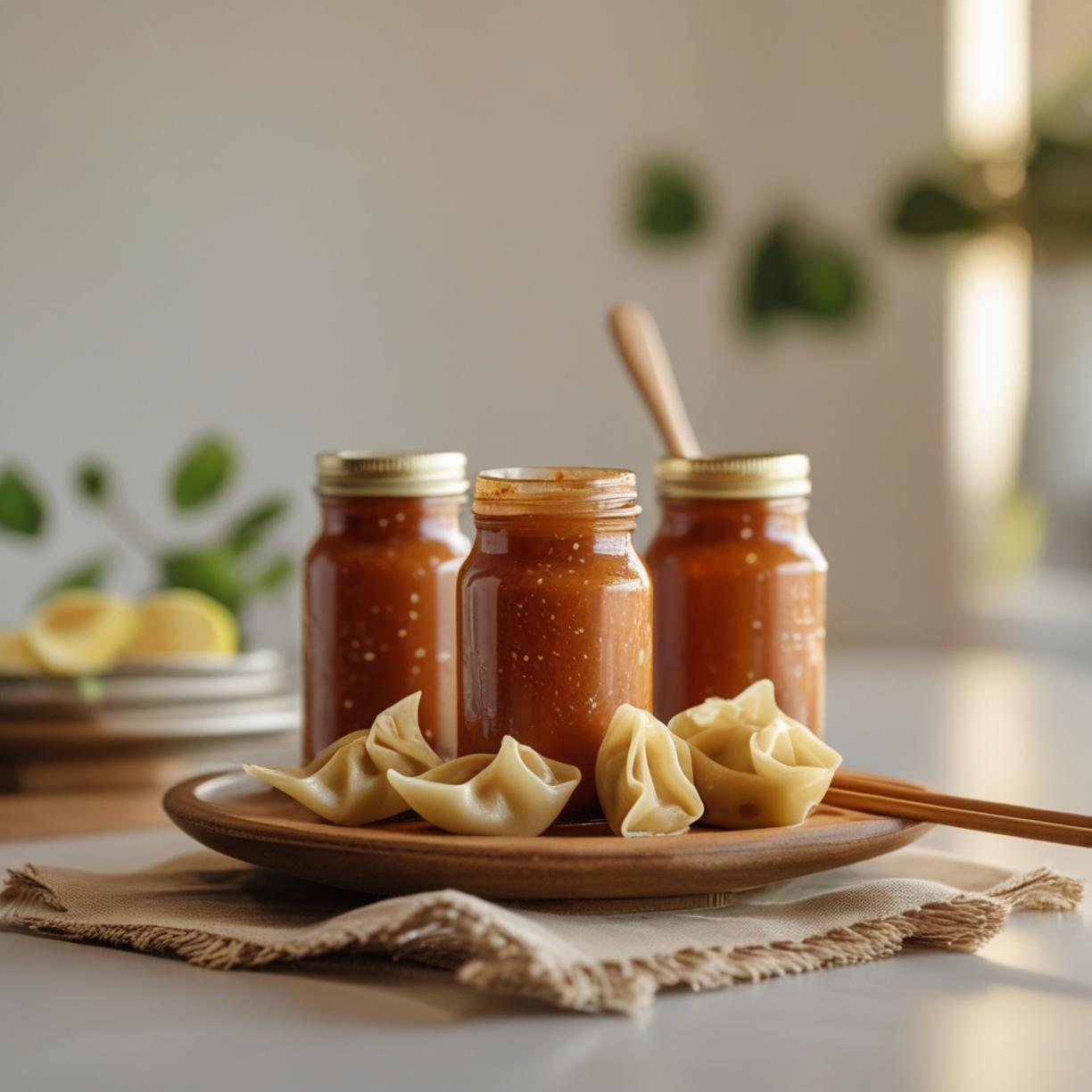
Make a double or triple batch at the beginning of the week. Pour into small mason jars for easy grab-and-go lunches. This sauce also works wonderfully as a quick stir-fry sauce or salad dressing base.
Nutritional Benefits / Advantages
This sauce offers more than just incredible taste – it’s also relatively health-conscious:
– Low Calorie: The entire batch contains approximately 50 calories
– No Added Sugars: Unlike many store-bought versions loaded with corn syrup
– Heart-Healthy Fats: Sesame oil provides beneficial omega fatty acids
– Antioxidant Properties: Sesame oil contains sesamol and sesaminol, powerful antioxidants
– Probiotic Potential: Traditionally brewed soy sauce contains beneficial probiotics
– Gluten-Free Option: Use tamari instead of regular soy sauce for a gluten-free version
Common Mistakes to Avoid

Mistake #1: Using the Wrong Vinegar
Never substitute rice vinegar with white distilled vinegar or apple cider vinegar. They’re too harsh and will overpower the delicate balance. Rice vinegar has a mild, slightly sweet flavor that’s essential.
Mistake #2: Overdoing the Sesame Oil
Sesame oil is potent – a little goes a long way. Too much will make your sauce greasy and overwhelmingly nutty. Stick to the recommended amount and adjust minimally.
Mistake #3: Using Light Sesame Oil
Light or refined sesame oil lacks the deep, toasted flavor you need. Always opt for toasted sesame oil, which has that distinctive amber color and rich aroma.
Mistake #4: Not Tasting Before Serving
Every brand of soy sauce varies in saltiness. Always taste your sauce before serving and adjust the vinegar or oil accordingly.
Mistake #5: Making It Too Far in Advance
While this sauce stores well, making it fresh (or at least the same day) ensures the brightest, most vibrant flavors. The sesame oil aroma is most pronounced when freshly made.
Conclusion for This Recipe
Creating restaurant-quality dipping sauce at home doesn’t require culinary school training or exotic ingredients. This 3 ingredient potsticker sauce proves that simplicity often yields the most satisfying results. With just soy sauce, rice vinegar, and sesame oil, you’ve unlocked a versatile condiment that transforms any dumpling into a gourmet experience. Whether you’re a seasoned home cook or just starting your culinary journey, this potsticker dipping sauce recipe belongs in your permanent rotation. The perfect balance of umami, acidity, and nuttiness creates a sauce that’s genuinely better than anything you’ll find in a packet.
Final Conclusion
Congratulations – you’ve just mastered one of the simplest yet most impactful recipes in Asian cuisine! This three-ingredient wonder sauce demonstrates that exceptional flavor doesn’t require complicated techniques or hard-to-find ingredients. What makes this recipe truly special is its versatility. Beyond potstickers, you can drizzle it over steamed vegetables, use it as a marinade for tofu, toss it with cold noodles, or even use it as a quick salad dressing.
The beauty of homemade sauces lies in the control you have over every element. You can adjust the saltiness, play with the tanginess, and customize the flavor profile to match your preferences perfectly. Plus, knowing exactly what goes into your food brings peace of mind that store-bought alternatives simply can’t offer.
I encourage you to make this sauce tonight – yes, tonight! Those frozen potstickers in your freezer are calling, and they deserve better than a sad, soggy packet of mystery sauce. Once you experience the difference homemade makes, there’s truly no going back.
Don’t forget to experiment with the variations I’ve shared. Add some heat with chili oil, incorporate fresh garlic, or garnish with sesame seeds for visual appeal. Each small tweak allows you to make this recipe uniquely yours.
FAQs
Q: Can I use coconut aminos instead of soy sauce?
A: Absolutely! Coconut aminos work wonderfully for those avoiding soy or watching their sodium intake. Keep in mind that coconut aminos are slightly sweeter and less salty, so you may want to skip any additional sweeteners and possibly add a tiny pinch of salt.
Q: How long does this sauce last in the refrigerator?
A: When stored properly in an airtight container, this sauce keeps for up to two weeks refrigerated. The flavors actually deepen over time, making day-old sauce even more delicious. Just give it a good stir before using since separation is normal.
Q: Can I make this sauce ahead for a party?
A: Yes! You can prepare this sauce up to a week in advance. For the freshest flavor, make it the morning of your event. If you’re adding fresh ingredients like garlic or ginger, add those closer to serving time for maximum impact.
Q: What if I don’t have rice vinegar?
A: In a pinch, you can substitute with white wine vinegar or even a squeeze of fresh lime juice. However, the flavor profile will be slightly different. Rice vinegar has a unique mild sweetness that other vinegars can’t quite replicate, so I recommend keeping a bottle in your pantry.
Q: Is this sauce suitable for other dishes besides potstickers?
A: Definitely! This versatile sauce works beautifully with spring rolls, egg rolls, steamed dumplings, shumai, wontons, and even as a dipping sauce for tempura vegetables. It also makes an excellent quick stir-fry sauce or cold noodle dressing when doubled.