
 Jacy
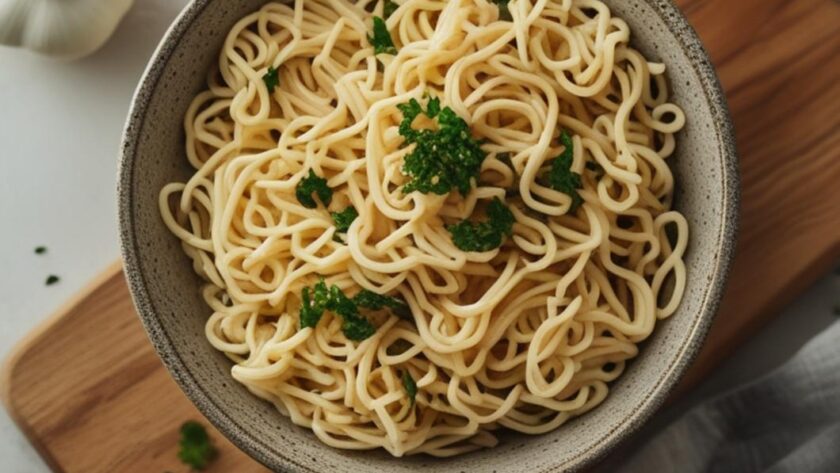
Jacy There’s something incredibly satisfying about making pasta from scratch, and nothing proves this better than 3 ingredient egg noodles. These simple, delicious noodles require minimal ingredients yet deliver maximum flavor and texture that store-bought varieties simply can’t match. Whether you’re a seasoned home cook or just starting your culinary journey, mastering this basic recipe will transform your pasta nights forever.
The beauty of homemade egg noodles without milk lies in their simplicity and versatility. With just flour, eggs, and salt, you can create tender, flavorful noodles perfect for soups, stroganoffs, or simply tossed with butter and herbs. This comprehensive guide will walk you through everything you need to know to achieve pasta perfection in your own kitchen.
Table of Contents
3 Ingredient Egg Noodles – Simple, Tender, and Delicious
Ingredients
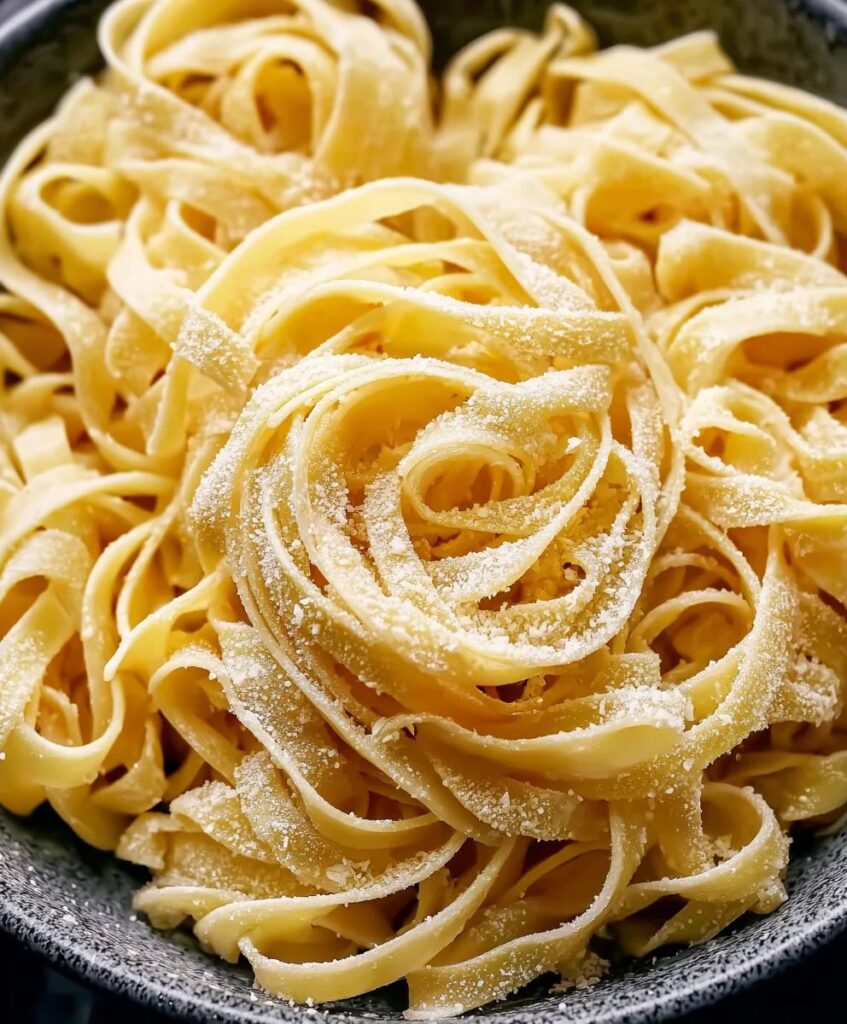
– 2 cups all-purpose flour (plus extra for dusting)
– 3 large eggs, at room temperature
– 1 teaspoon salt
– 1-2 tablespoons water (if needed)
Step-by-Step Instructions
Step 1: Create the Flour Well
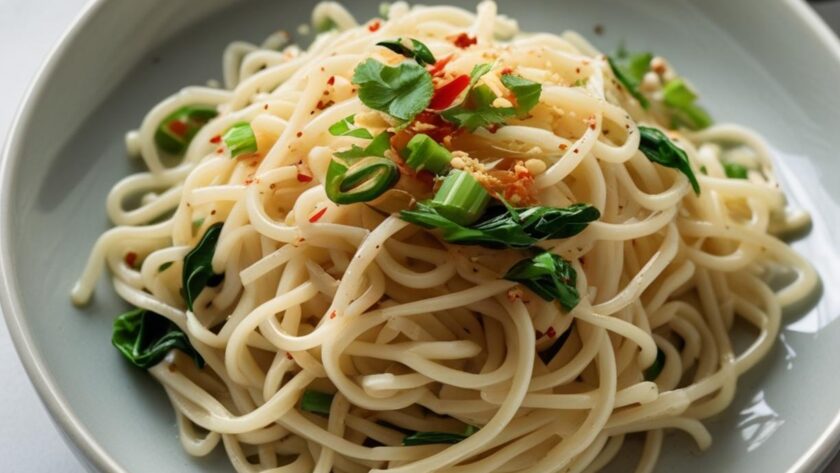
Pour the flour onto a clean work surface or into a large mixing bowl. Create a well in the center, making sure the walls are high enough to contain the eggs.
Step 2: Add the Eggs
Crack the eggs directly into the flour well and add the salt. Using a fork, gently beat the eggs while gradually incorporating flour from the inner walls of the well.
Step 3: Form the Dough
Continue mixing until the dough becomes too stiff for the fork. Use your hands to bring the dough together, incorporating any remaining flour. The dough should feel slightly tacky but not sticky.
Step 4: Knead the Dough
Knead the dough for 8-10 minutes until smooth and elastic. This step is crucial for developing gluten, which gives your 3 ingredient egg noodles their characteristic chewy texture. If you’re making homemade egg noodles without milk, proper kneading becomes even more important for achieving the right consistency.
Step 5: Rest the Dough
Wrap the dough tightly in plastic wrap and let it rest at room temperature for 30 minutes. This relaxes the gluten and makes rolling easier.
Step 6: Roll and Cut
Divide the dough into four portions. Working with one piece at a time, roll it out to approximately 1/8-inch thickness. Cut into your desired noodle width using a sharp knife or pasta cutter.
Step 7: Dry or Cook
Either cook immediately in boiling salted water for 2-3 minutes or lay noodles flat to dry for later use.
Tips & Variations
– Whole Wheat Version: Replace half the all-purpose flour with whole wheat flour for added nutrition and nutty flavor.
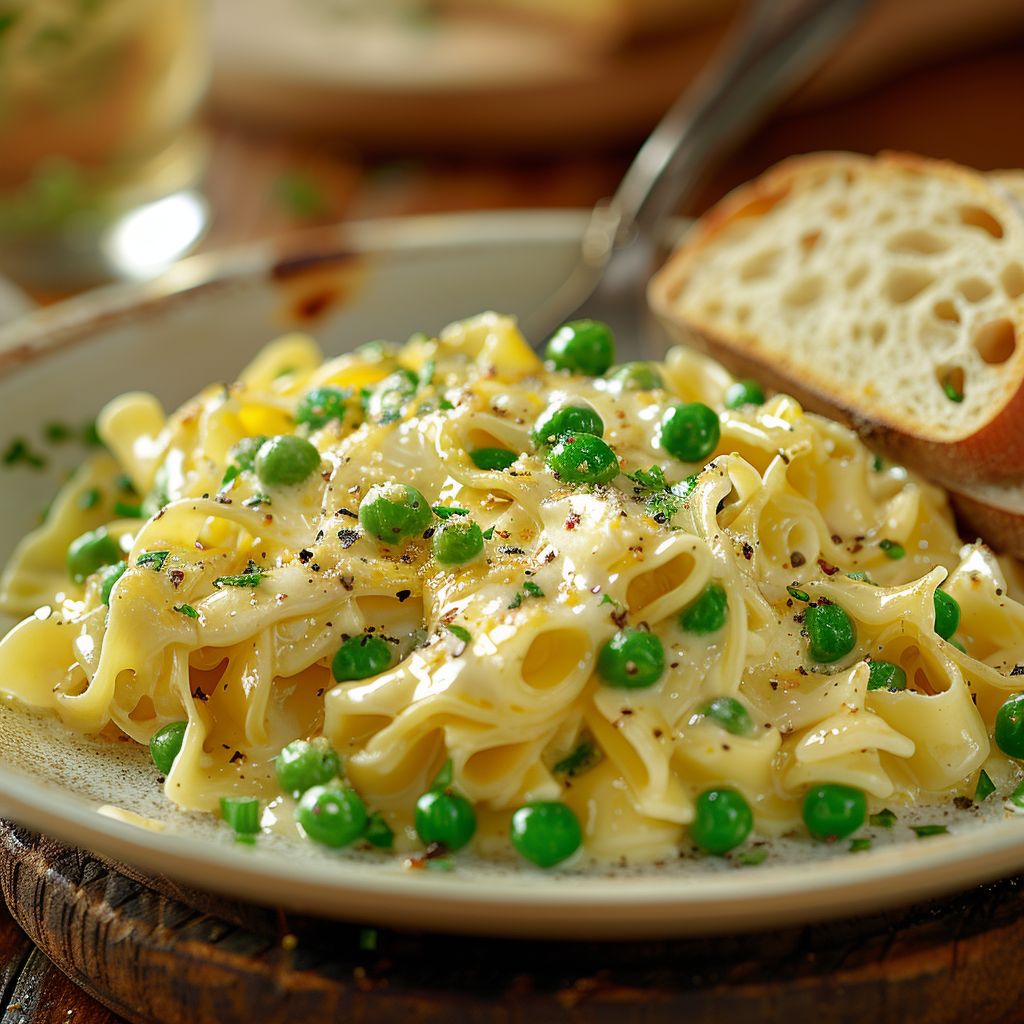
– Herb-Infused Noodles: Add 2 tablespoons of finely chopped fresh herbs like parsley, basil, or chives to the dough.
– Spinach Noodles: Blend 1/2 cup cooked spinach with the eggs for beautiful green pasta.
– Extra Rich Noodles: Use 2 whole eggs plus 2 egg yolks for richer, more golden noodles.
– Gluten-Free Option: Substitute with a quality gluten-free flour blend, though texture may vary.
Serving & Storage
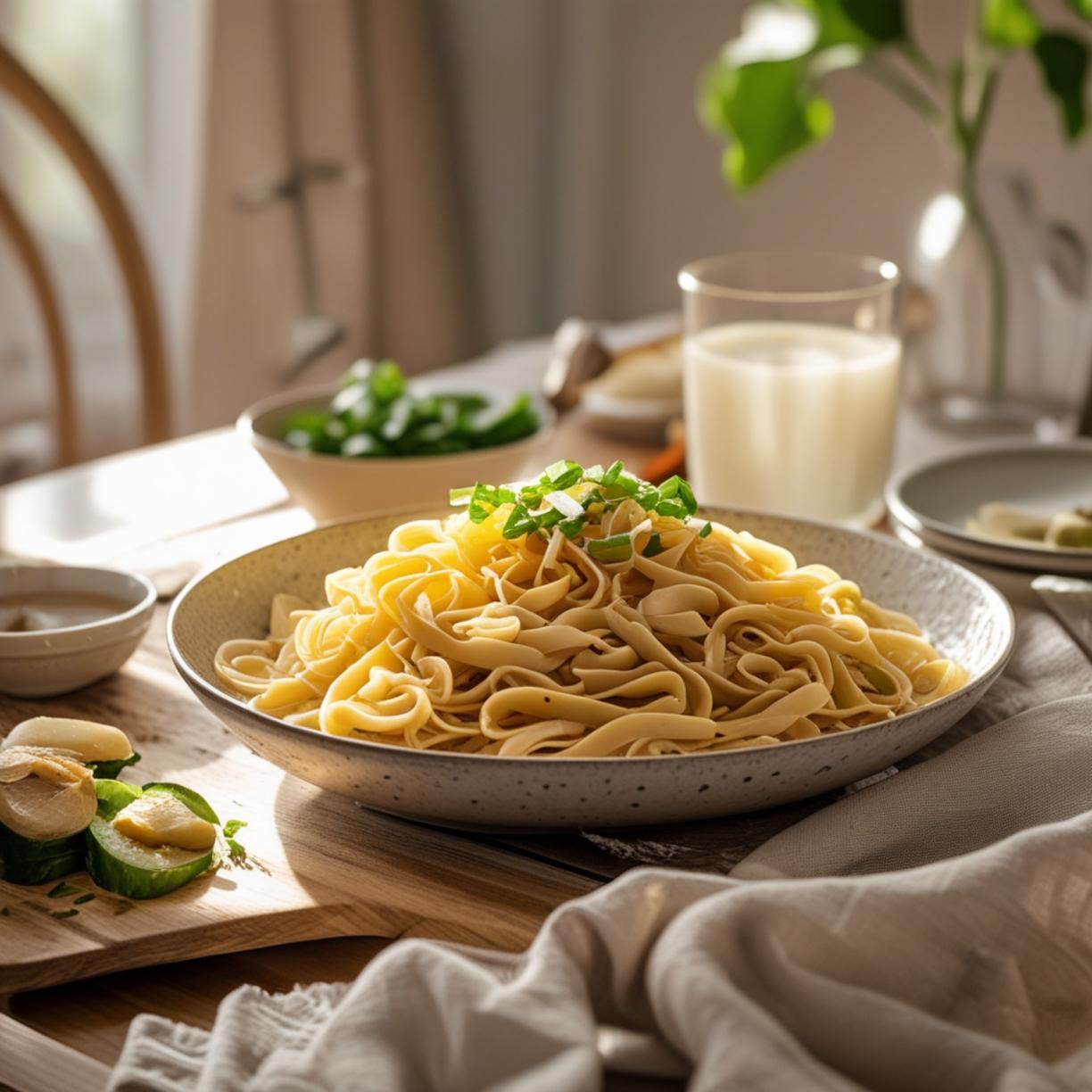
Serving Suggestions:
– Toss with brown butter and sage for an elegant side dish
– Add to chicken noodle soup for comfort food perfection
– Serve alongside beef stroganoff or Hungarian goulash
– Simply dress with olive oil, garlic, and Parmesan cheese
Storage Tips:
– Fresh Noodles: Store in an airtight container in the refrigerator for up to 2 days. Dust generously with flour to prevent sticking.
– Dried Noodles: Lay flat on a baking sheet until completely dry (24-48 hours), then store in an airtight container for up to 1 month.
– Frozen Noodles: Flash freeze on a baking sheet, then transfer to freezer bags. Cook directly from frozen, adding 1-2 minutes to cooking time.
Meal Prep Ideas:
Make a double batch on weekends and dry or freeze for quick weeknight dinners throughout the month.
Nutritional Benefits / Advantages
These homemade egg noodles offer several nutritional advantages over commercial varieties:
– Higher Protein Content: Fresh eggs provide quality protein and essential amino acids
– No Preservatives: You control exactly what goes into your food
– B Vitamins: Eggs are rich in B12, riboflavin, and other B vitamins
– Iron and Selenium: Both flour and eggs contribute these essential minerals
– Lower Sodium Options: Control salt content based on dietary needs
– No Artificial Colors: Natural golden color from real egg yolks
Common Mistakes to Avoid
1. Skipping the Resting Period
Rushing through the resting step results in tough, difficult-to-roll dough. Always allow at least 30 minutes for the gluten to relax.
2. Using Cold Eggs
Cold eggs don’t incorporate as smoothly into flour. Always bring eggs to room temperature before starting.
3. Over-Flouring the Surface
While some flour prevents sticking, too much creates dry, dense noodles. Use a light hand when dusting.
4. Rolling Too Thick
Noodles expand when cooked. Roll thinner than you think necessary for the best texture.
5. Overcrowding the Pot
Cook noodles in batches to prevent sticking and ensure even cooking.
6. Overcooking
Fresh noodles cook much faster than dried. Start checking at 2 minutes and cook until just tender.
Conclusion for This Recipe
Mastering 3 ingredient egg noodles opens up a world of culinary possibilities. This foundational recipe proves that exceptional pasta doesn’t require fancy equipment or complicated techniques. Once you’ve perfected homemade egg noodles without milk, you’ll find yourself reaching for flour and eggs instead of boxed pasta every time.
Final Conclusion
Creating restaurant-quality pasta at home has never been more accessible than with this simple egg noodle recipe. The combination of basic pantry staples—flour, eggs, and salt—transforms into something truly special with just a bit of time and technique.
Remember these key takeaways for pasta success:
– Always rest your dough for optimal texture
– Use room temperature eggs for smooth incorporation
– Don’t skip the kneading process
– Roll thinner than you expect
– Fresh noodles cook quickly—watch them carefully
Whether you’re preparing a cozy soup, an elegant dinner party dish, or a simple weeknight meal, these homemade noodles will elevate your cooking. The satisfaction of serving pasta you made entirely from scratch is unmatched, and the compliments from family and friends will keep you coming back to this recipe again and again.
So clear your counter, gather your ingredients, and start your pasta-making journey today. Your taste buds will thank you!
FAQs
Q: Can I make egg noodles without a pasta machine?
A: Absolutely! A rolling pin works perfectly well. Roll the dough as thin as possible, then use a sharp knife to cut noodles to your desired width. Many home cooks prefer this traditional method.
Q: How do I know when fresh egg noodles are done cooking?
A: Fresh noodles cook in 2-4 minutes depending on thickness. They should be tender but still have a slight bite (al dente). Taste-test starting at 2 minutes to avoid overcooking.
Q: Why is my dough too dry/too wet?
A: Egg sizes vary, and flour absorbs moisture differently based on humidity. If too dry, add water one teaspoon at a time. If too wet, incorporate additional flour gradually until the dough reaches the right consistency.
Q: Can I use this recipe for other pasta shapes?
A: Yes! This versatile dough works for fettuccine, pappardelle, lasagna sheets, and even filled pastas like ravioli. Adjust thickness based on your desired shape.
Q: How long do dried homemade egg noodles last?
A: When completely dried and stored in an airtight container in a cool, dry place, homemade egg noodles last up to one month. For longer storage, keep them in the freezer for up to three months.